

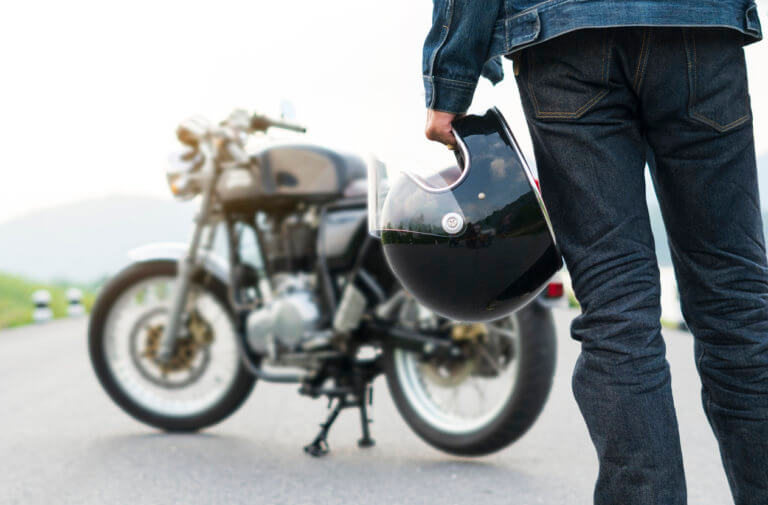
Riding a motorcycle safely starts long before you turn the key. Methodical preparation is essential for a smooth and secure journey, as everything from routine maintenance to your personal mindset plays a pivotal role in your safety. Here are five key steps to prepare your motorcycle for the road, focusing on reliability, precision, and safety.
1. Inspect and Maintain Essential Components
The foundation of motorcycle safety is meticulous attention to critical components. Tires, for example, must be checked for proper inflation, tread depth, and any signs of wear or damage, as faulty tires can compromise grip and stability. Similarly, your brakes demand close examination—inspect the brake pads for wear and ensure the responsiveness of both the front and rear braking systems. Fluids such as oil and coolant must also be at optimal levels to prevent engine strain. These inspections are preemptive measures that ensure your motorcycle operates seamlessly under varying conditions.
2. Equip Your Motorcycle with Safety Features
Enhancing your motorcycle with the latest safety technology can significantly reduce risks. Features like an anti-lock braking system (ABS) provide better control during sudden stops, particularly on slick roads. Additionally, using reflective materials and extra lighting makes you more visible in low-light situations, such as at night or on overcast days. It is no coincidence that road safety advocates tirelessly promote adopting such measures. A secure motorcycle helps bridge the gap between rider instinct and mechanical performance. Functioning safety features not only prevent accidents but also instill confidence, allowing you to focus on the road and your surroundings.
3. Dress for Safety, Not Just for Style
Wearing the right gear is crucial for motorcycle safety. A DOT-standard helmet is essential for preventing head injuries, while abrasion-resistant jackets, gloves, and boots offer vital protection. The Rider Safety Foundation also recommends brightly colored or reflective apparel to increase visibility. Professional motorcycle racer Valentino Rossi is a prime example of someone who prioritizes safety. Despite his stylish race outfits, he has always emphasized the importance of proper safety gear like helmets, gloves, and protective suits. Rossi has shown motorcyclists worldwide that safety and performance go hand in hand.
4. Understand Your Route and Conditions
Before riding, plan your route by assessing potential weather changes, traffic patterns, and road quality. Being aware of hazards like slick roads, potholes, and high winds allows you to anticipate and manage these challenges effectively. Seasoned professionals, including construction leader David Vepraskas Lakemont, emphasize adaptability and strategic planning across all domains. These principles extend to his personal life, where David Vepraskas Gainesville is an avid outdoorsman and a motorcycle and off-road vehicle enthusiast.
5. Cultivate a Safety-First Mindset
The most critical aspect of motorcycle safety is your mindset. A vigilant, defensive riding approach—which involves scanning for hazards, keeping a safe distance, and managing your speed—reduces complacency. This transforms preparation from a simple checklist into a comprehensive commitment to safety. Riders who prioritize mental awareness and proactive decision-making complement their other preparation efforts, creating a robust framework for security. Combining the right mindset with physical preparation underscores the importance of leadership in personal safety—every choice made reflects a disciplined, safety-first ethos.
Preparing your motorcycle for a safe ride requires a holistic approach that includes your equipment, planning, and mindset. This thorough preparation demonstrates a proactive commitment to security and precision. By following these principles, you show that safety, performance, and responsibility are connected, turning your motorcycle into a symbol of trust between the machine and its rider.

