

Starting or growing a family is one of life’s most meaningful journeys. For many individuals and couples, however, the road to parenthood can be more challenging than expected. While modern medicine offers a variety of fertility treatments, many people are also turning to complementary therapies that support overall health and reproductive wellness.
One of the most respected natural approaches is acupuncture. Rooted in traditional Chinese medicine, acupuncture has been practiced for thousands of years and continues to gain recognition as a supportive therapy for fertility. Whether someone is trying to conceive naturally or undergoing assisted reproductive treatments, acupuncture may help improve physical and emotional well-being throughout the process.
This guide explores how acupuncture supports fertility, its potential benefits, what to expect during treatment, and why an increasing number of people are making it part of their reproductive health journey.
Understanding Fertility Challenges
Infertility is more common than many people realize. Health professionals generally define infertility as the inability to conceive after twelve months of regular, unprotected intercourse for individuals under 35, or after six months for those over 35.
Fertility challenges can affect both women and men. Common contributing factors include:
- Hormonal imbalances
- Irregular ovulation
- Polycystic ovary syndrome (PCOS)
- Endometriosis
- Blocked fallopian tubes
- Poor sperm quality
- Age-related fertility decline
- Stress and anxiety
- Lifestyle factors
- Unexplained infertility
Because fertility depends on many interconnected systems within the body, taking a holistic approach often provides valuable support alongside medical care.
What Is Acupuncture?
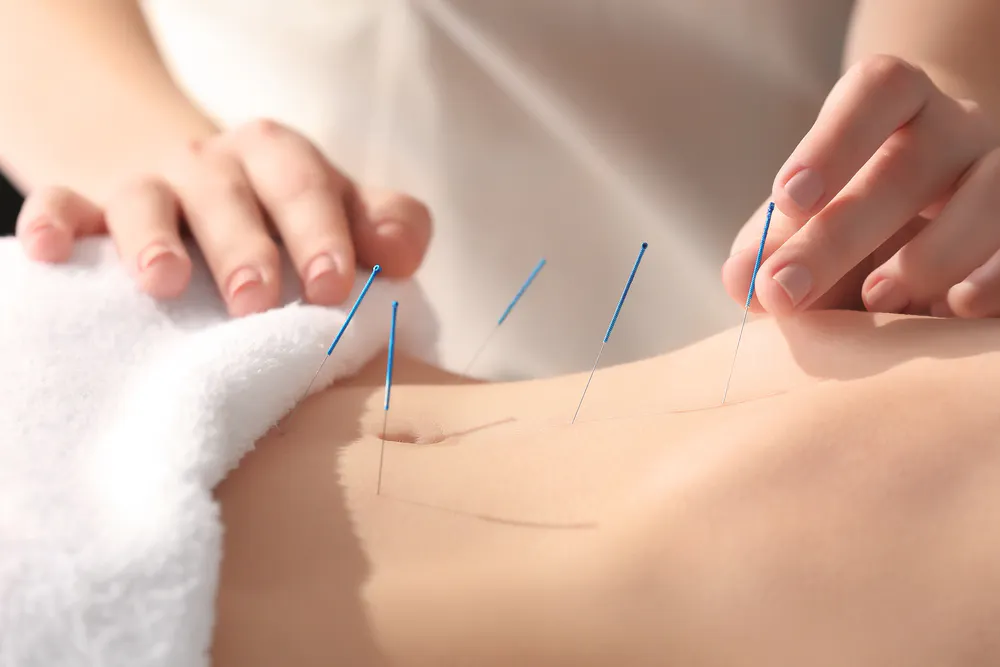
Acupuncture is a therapeutic practice originating from traditional Chinese medicine. It involves placing very fine, sterile needles into specific points on the body.
According to traditional principles, these points help restore balance and encourage the smooth flow of energy throughout the body. From a modern perspective, researchers believe acupuncture may stimulate nerves, improve circulation, influence hormone regulation, and promote relaxation.
Treatment plans are customized according to each individual’s health concerns and reproductive goals.
How Acupuncture May Support Fertility
Acupuncture is not considered a guaranteed solution for infertility. Instead, it works by supporting the body’s natural functions that contribute to reproductive health.
Potential benefits include:
Improved Blood Flow
Healthy blood circulation is essential for reproductive organs. Better blood flow may help nourish the ovaries and uterus while supporting a healthy uterine lining.
Hormonal Balance
Hormones regulate ovulation, menstruation, and pregnancy preparation. Acupuncture may help support the body’s natural hormonal communication.
Stress Reduction
Trying to conceive can be emotionally exhausting. Chronic stress may influence hormone production and overall well-being. Many patients report feeling calmer and more relaxed following acupuncture sessions.
Better Sleep
Quality sleep supports hormone production, immune function, and overall health. Many individuals notice improvements in sleep quality after beginning regular treatments.
Reduced Inflammation
Inflammation may contribute to certain reproductive conditions. Supporting healthy inflammatory responses may improve overall reproductive wellness.
The Role of Fertility Acupuncture
Many people specifically seek fertility acupuncture as part of their conception journey. This specialized approach focuses on reproductive health by tailoring treatments according to menstrual cycles, fertility goals, and any diagnosed reproductive conditions.
Practitioners often adjust treatment timing throughout the menstrual cycle to support different reproductive phases. Some treatments focus on encouraging healthy ovulation, while others aim to prepare the uterus for implantation.
For individuals undergoing IVF or IUI, fertility-focused acupuncture may also be scheduled around treatment milestones.
Supporting Natural Conception
Couples trying to conceive naturally often use acupuncture as part of a broader wellness strategy.
Treatment plans may focus on:
- Supporting regular menstrual cycles
- Encouraging healthy ovulation
- Promoting reproductive circulation
- Managing stress
- Improving overall health
- Supporting digestive function
- Encouraging better sleep
- Enhancing emotional well-being
Because overall health plays an important role in fertility, acupuncture often complements healthy nutrition, exercise, and medical guidance.
Acupuncture and IVF
Many fertility specialists recognize that patients frequently combine acupuncture with assisted reproductive technologies.
Acupuncture may be incorporated:
- Before ovarian stimulation
- During IVF preparation
- Before embryo transfer
- After embryo transfer
- During early pregnancy support
The goal is to help patients feel physically and emotionally supported throughout the treatment process.
Supporting Male Fertility
Fertility is not exclusively a women’s health issue. Male reproductive health contributes significantly to successful conception.
Acupuncture may be included as part of a comprehensive male fertility plan aimed at supporting:
- Healthy sperm production
- Sperm motility
- Sperm morphology
- Hormonal balance
- Stress management
- Overall wellness
Healthy lifestyle choices remain equally important for optimizing male reproductive health.
Common Conditions Addressed
Acupuncture practitioners frequently support patients experiencing conditions such as:
Polycystic Ovary Syndrome (PCOS)
PCOS can affect ovulation and hormone balance. Acupuncture may be included alongside medical management to support menstrual regularity and overall wellness.
Endometriosis
People with endometriosis often seek acupuncture for symptom management while working with fertility specialists.
Irregular Menstrual Cycles
Regular menstrual cycles are often an indicator of healthy reproductive function. Treatment plans may focus on supporting cycle consistency.
Unexplained Infertility
When standard medical testing does not identify a clear cause, many couples explore holistic approaches that address overall health and stress reduction.
Emotional Benefits During the Fertility Journey
The emotional impact of infertility can be significant.
Many individuals experience:
- Anxiety
- Depression
- Frustration
- Isolation
- Fear
- Uncertainty
One reason acupuncture has become increasingly popular is the calming experience it often provides.
Patients frequently describe treatments as peaceful and relaxing. Taking dedicated time for self-care may help improve emotional resilience throughout fertility treatment.
What Happens During an Appointment?
The first consultation usually includes a comprehensive health assessment.
Your practitioner may discuss:
- Medical history
- Menstrual cycles
- Previous pregnancies
- Lifestyle
- Sleep
- Nutrition
- Stress levels
- Fertility goals
Following the consultation, fine needles are gently inserted into carefully selected acupuncture points.
Most people experience little or no discomfort. Treatments commonly last between 30 and 60 minutes while patients rest comfortably.
How Many Treatments Are Needed?
Treatment frequency depends on individual circumstances.
Factors influencing treatment plans include:
- Age
- Fertility diagnosis
- Overall health
- Medical history
- Natural conception versus IVF
- Treatment goals
Many practitioners recommend beginning treatment several months before attempting conception because egg development and sperm production occur over time.
Lifestyle Habits That Complement Acupuncture
Acupuncture works best when combined with healthy daily habits.
Helpful practices include:
Balanced Nutrition
Eating a varied diet rich in vegetables, fruits, whole grains, lean protein, and healthy fats supports reproductive wellness.
Regular Exercise
Moderate physical activity promotes circulation and overall health.
Stress Management
Meditation, breathing exercises, yoga, and mindfulness may complement acupuncture treatments.
Quality Sleep
Consistent, restorative sleep supports hormonal health.
Limiting Harmful Habits
Reducing smoking, excessive alcohol consumption, and recreational drug use benefits reproductive health.
Is Acupuncture Safe?
When performed by a qualified practitioner using sterile, single-use needles, acupuncture is generally considered safe.
Minor side effects may include:
- Temporary soreness
- Mild bruising
- Slight fatigue
- Relaxation after treatment
Patients should always inform their practitioner about pregnancy, medications, or existing medical conditions.
Choosing the Right Practitioner
Experience matters when seeking acupuncture for fertility support.
Look for practitioners who:
- Have professional qualifications
- Specialize in reproductive health
- Work collaboratively with medical professionals
- Create individualized treatment plans
- Explain procedures clearly
- Prioritize patient safety
Building trust with your practitioner contributes to a positive treatment experience.
Integrating Traditional and Modern Care
Acupuncture is increasingly viewed as part of an integrative healthcare approach rather than an alternative to medical treatment.
Many individuals combine acupuncture with:
- Fertility specialist consultations
- Hormonal therapies
- IVF
- IUI
- Nutritional counseling
- Exercise programs
- Mental health support
Working collaboratively with healthcare providers allows patients to receive comprehensive care tailored to their needs.
Finding Experienced Care
Choosing experienced practitioners can make a significant difference in your treatment experience. Many individuals seeking Acupuncture Melbourne services look for clinics with expertise in reproductive health, personalized treatment plans, and a strong understanding of both traditional Chinese medicine and modern fertility care. A practitioner who takes time to understand your medical history and fertility goals can develop a treatment strategy that complements your overall healthcare plan.
Frequently Asked Questions
Can acupuncture guarantee pregnancy?
No. Acupuncture cannot guarantee conception, but it may support overall reproductive health and complement medical fertility treatments.
Does acupuncture hurt?
Most people experience minimal discomfort. The needles are extremely thin, and many patients find treatments relaxing.
When should I start acupuncture for fertility?
Many practitioners recommend beginning treatment several months before attempting conception to support reproductive health over time.
Can men benefit from fertility acupuncture?
Yes. Men may use acupuncture to support reproductive wellness, stress management, and overall health as part of a comprehensive fertility plan.
Is acupuncture suitable during IVF?
Many patients choose acupuncture before, during, and after IVF treatment. Coordination with fertility specialists is recommended.
Final Thoughts
The journey to parenthood is deeply personal, and every individual’s experience is unique. While acupuncture is not a replacement for medical fertility care, it has become an increasingly popular complementary therapy for those seeking a holistic approach to reproductive wellness.
By supporting relaxation, encouraging healthy circulation, promoting hormonal balance, and addressing overall well-being, acupuncture may help individuals feel more prepared—both physically and emotionally—for the challenges of trying to conceive.
Whether pursuing natural conception or assisted reproductive treatments, combining healthy lifestyle habits, expert medical guidance, and personalized acupuncture care offers a comprehensive approach that supports the goal of building a healthy family.
