

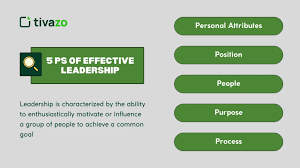
Leadership is defined not by short-term metrics but by its lasting impact on organizations and people. Unlike management, which focuses on processes, effective leadership creates an environment where individuals can thrive by fostering trust, growth, and a shared sense of purpose. These guiding principles apply across sectors and organizational structures, forming the bedrock of resilient and successful organizations. The following five principles distinguish leaders who establish a meaningful legacy.
Leading with Purpose and Vision
A team lacking a clear purpose is unable to navigate toward a shared goal. Effective leaders communicate a vision that extends beyond financial outcomes, bringing a sense of meaning and direction to the organization’s efforts. This vision answers a crucial question: “What is the true purpose of this organization?” When team members connect to this greater purpose, their engagement shifts from obligation to genuine commitment. Leaders who consistently base decisions and actions on this vision promote alignment, ensuring everyone understands their part in achieving collective goals.
Building Trust and Psychological Safety
Sustainable innovation and collaboration develop in environments where individuals feel secure enough to take risks, offer diverse perspectives, and admit mistakes without concern for negative consequences. Fostering psychological safety is essential for lasting organizational impact. Trust is built when leaders show integrity, transparency, and reliability. By admitting mistakes, staying open, and viewing setbacks as learning opportunities, they foster a culture where teams can tackle challenges creatively and collaboratively.
Practicing Servant Leadership
Servant leadership shifts attention from traditional, hierarchical control to placing the needs of employees and the organization at the forefront. Leaders who adopt this approach remove obstacles, allocate resources, and encourage the development of others. Former Unilever CEO Paul Polman exemplifies servant leadership. He implemented a sustainable business model that prioritized social and environmental goals while still aiming for profitability. This purpose-driven approach, which empowered his team, led to both financial success and positive global impact.
Empowering Others to Lead
Leaders who establish long-term influence do not concentrate authority but rather share it to develop future leaders within their organizations. Empowerment involves delegating meaningful responsibilities, providing mentorship, and granting autonomy in decision-making. As employees are trusted with increased responsibility, they develop new skills and a deeper sense of accountability. This approach strengthens individual performance and builds a framework for organizational continuity and future leadership.
Demonstrating Resilience and Adaptability
In today’s constantly evolving business landscape, leaders who make a lasting impact are those who respond to challenges with resilience and adapt to changing circumstances. Rather than avoiding difficulties, they maintain steady leadership during periods of uncertainty and regard obstacles as opportunities for growth. Adaptable leaders are also lifelong learners who actively seek fresh perspectives and adjust their strategies when needed. By modeling resilience, they prepare their organizations to navigate complex changes successfully.
With extensive experience as an environmental leader and senior executive, Bradley Fauteux demonstrates how effective leadership requires more than short-term achievements. A skilled manager of complex operations, Bradley Fauteux has overseen budgets totaling hundreds of millions of dollars and led teams of thousands to deliver tangible results. Leaders who demonstrate purpose, trust, service, empowerment, and resilience can build strong, innovative organizations. By adhering to these principles, they can leave a lasting, positive legacy that influences their organizations for years to come.
