

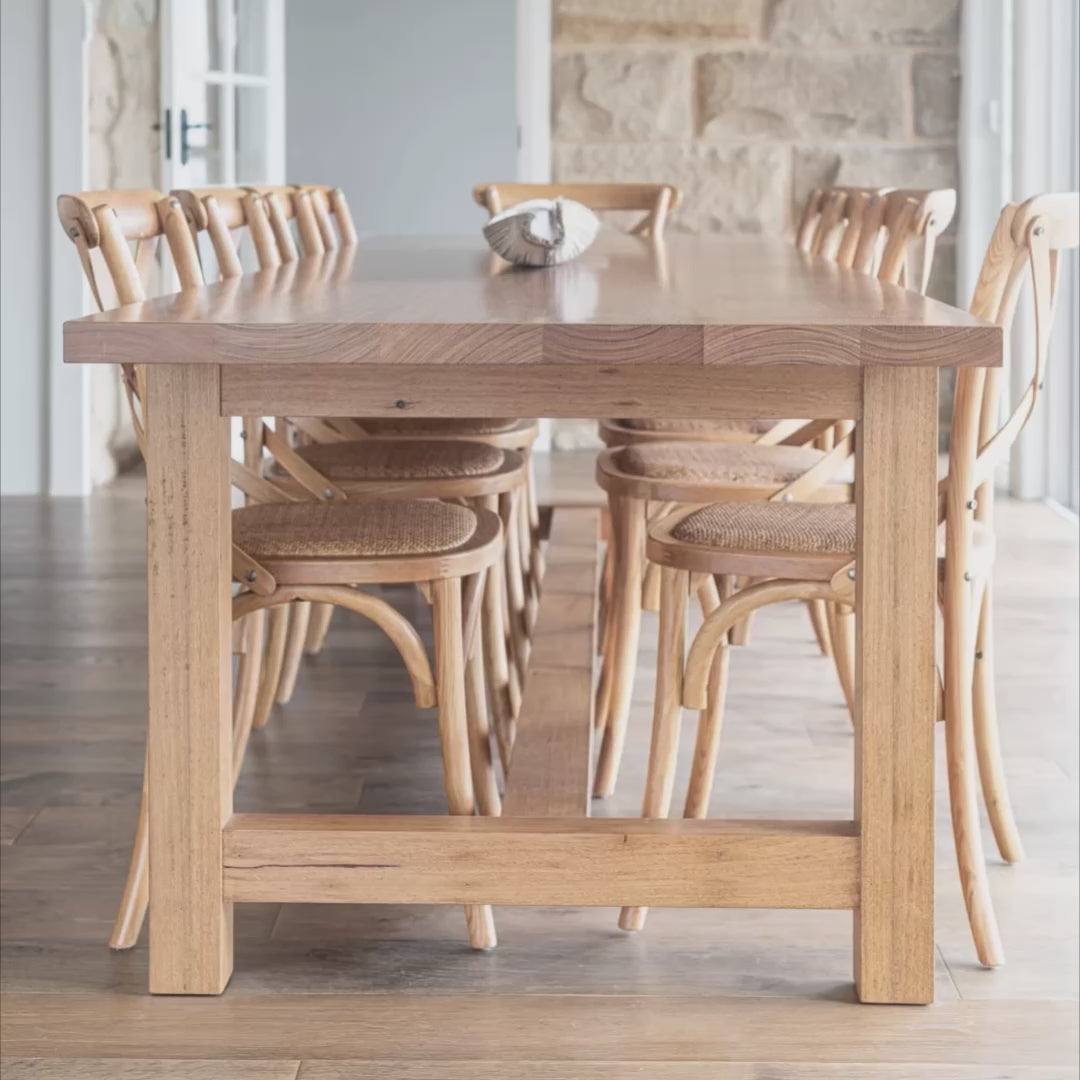
Furniture plays a major role in the way a home looks, feels, and functions. While mass produced furniture can be convenient, it does not always suit the dimensions, character, or lifestyle of a particular home. Custom furniture offers a different approach by allowing homeowners to create pieces that reflect their personal taste while making better use of available space.
For homeowners looking to transform their dining area, investing in custom furniture sydney services can be an excellent way to achieve a distinctive and practical interior. Bespoke furniture can be designed around the room, the people using it, and the atmosphere you want to create.
Among the most important pieces in a dining room is the table. A well designed Dining table can become the visual centre of the space while providing a comfortable place for family meals, entertaining guests, celebrations, and everyday conversations.
Why Custom Furniture Is Becoming More Popular
Modern homes are becoming increasingly individual. Homeowners are no longer interested in creating spaces that look exactly like everyone else’s. Instead, they want interiors that reflect their personalities, preferences, and lifestyles.
Custom furniture makes this possible.
Rather than choosing a standard product from a catalogue, you can work around specific dimensions, materials, finishes, colours, and design requirements. This flexibility can be particularly valuable in Sydney homes where rooms vary considerably in size and architectural style.
A custom piece can be designed to complement an existing interior instead of forcing the rest of the room to accommodate a standard item.
Making Better Use of Available Space
One of the biggest advantages of bespoke furniture is its ability to work with the available space.
A dining room might be narrow, open plan, unusually shaped, or connected directly to the kitchen and living room. A standard table may be too large, too small, or poorly proportioned for the room.
Custom furniture allows measurements to become part of the design process.
The length and width can be selected according to the room. The height can be adjusted for comfort. Leg placement can be considered carefully. Even the amount of clearance around the table can be planned before construction begins.
This creates a more balanced environment where people can move comfortably without the furniture dominating the room.
The Dining Table as the Heart of the Home
A Dining table is more than a functional surface.
It is often where families gather after a busy day. It may be where children complete homework, friends share meals, relatives celebrate special occasions, and conversations continue long after dinner has finished.
Because of this, the table deserves careful consideration.
The right design should provide enough room for everyday use while also accommodating larger gatherings when necessary. It should feel comfortable, stable, and visually connected to the surrounding furniture.
A custom dining table can be created specifically around these requirements.
Choosing the Right Size
Size is one of the first factors to consider when designing a dining table.
A table that is too large can make a room feel cramped. A table that is too small may leave guests uncomfortable during gatherings.
Start by measuring the available dining area. Consider not only the table itself but also the space needed for chairs and movement.
People should be able to pull chairs away from the table without hitting walls, cabinets, or other furniture.
For open plan interiors, it is also important to consider how the table relates to nearby kitchen benches, sofas, islands, and walkways.
Good proportions can make a substantial difference to the overall appearance of a room.
Rectangular Dining Tables
Rectangular designs remain popular because they work well in many interiors.
They are particularly suitable for longer rooms and can accommodate several people comfortably. A rectangular table can also create a strong visual line through an open plan dining area.
Different proportions can create completely different impressions.
A slim rectangular table may feel elegant and contemporary, while a wider design can provide a more substantial and traditional appearance.
The choice should depend on both the room and the way the table will be used.
Round Dining Tables
Round tables offer a different experience.
They can work particularly well in smaller dining areas because there are no sharp corners competing for walking space. Their shape also encourages conversation because everyone sits within a relatively similar distance from one another.
Round tables can create a welcoming and informal atmosphere.
They can also become an attractive feature in rooms where traditional rectangular furniture would feel too rigid.
Oval Dining Tables
An oval table combines some of the advantages of rectangular and round designs.
It provides a generous central surface while introducing softer edges. This can help create a sophisticated appearance without making the furniture feel overly formal.
Oval designs can also be useful when homeowners want a larger table but prefer to avoid sharp corners.
The best shape ultimately depends on the room, seating requirements, and preferred aesthetic.
Selecting the Right Timber
Material selection has a major impact on the appearance and performance of custom furniture.
Timber remains a popular choice because of its natural character and versatility. Different species offer different colours, grains, textures, and levels of hardness.
Oak, walnut, blackbutt, spotted gum, and other timbers can create very different visual results.
Some homeowners prefer prominent natural grain, while others want a more consistent appearance.
The intended finish should also be considered when selecting timber. A clear finish can emphasise the natural appearance of the wood, while stains can alter its colour to complement surrounding furniture.
The Beauty of Natural Timber
One reason timber furniture continues to appeal to homeowners is that every piece can have its own character.
Natural grain patterns, subtle colour variations, knots, and other features can give furniture a distinctive appearance.
Unlike completely uniform manufactured surfaces, timber can develop a richer character over time.
Small changes in colour and texture can contribute to the warmth of an interior and help create a more inviting dining environment.
Modern Furniture Design
Custom furniture does not necessarily mean traditional furniture.
Bespoke pieces can be designed with clean lines, minimalist profiles, contemporary finishes, and simple geometric forms.
A modern dining table might feature a slim top, understated legs, and a carefully selected finish.
This approach works particularly well in contemporary Sydney homes where simplicity and functionality are important design principles.
The goal is not to add unnecessary decoration. Instead, the design focuses on proportion, materials, craftsmanship, and usability.
Traditional Furniture Design
Homeowners with more traditional interiors can also benefit from custom furniture.
A bespoke table can incorporate classic proportions, detailed edges, substantial legs, or other traditional elements.
Because every detail can be considered during the design process, it is possible to create furniture that complements older architectural features.
This can be especially useful in homes where new furniture needs to work alongside existing timber floors, heritage details, or classic cabinetry.
Combining Different Materials
Timber does not have to be used alone.
Modern furniture designs can combine timber with metal, glass, stone, or other materials to create a distinctive appearance.
For example, timber can provide warmth while metal legs introduce a more contemporary feel.
Stone elements can create a substantial and luxurious appearance, while glass can make a room feel visually lighter.
The key is to choose materials that work together rather than competing with one another.
Custom Furniture and Interior Design
Furniture should be considered as part of the wider interior rather than as an isolated purchase.
Wall colours, flooring, lighting, cabinetry, artwork, curtains, and decorative accessories all influence how furniture appears.
A custom piece can be designed to connect these elements.
For example, the timber finish might complement existing flooring. The shape might echo architectural details in the room. The overall proportions might be selected to maintain a sense of balance.
This creates a more cohesive interior.
Creating a Comfortable Dining Experience
Appearance is important, but comfort should never be overlooked.
The table height should work naturally with the chosen chairs. There should be sufficient legroom beneath the tabletop. The edges should feel comfortable during extended meals.
Seating capacity also needs careful consideration.
Think about how many people normally use the table and how often you entertain larger groups.
A family that regularly hosts relatives may need a different configuration from someone who usually dines with two or three people.
Designing Around Your Lifestyle
Custom furniture becomes especially valuable when it reflects how people actually live.
Someone who frequently hosts dinner parties may want a large table with additional seating. A family with young children may prioritise durable finishes and easy maintenance.
Someone living in an apartment may need a compact design that maximises floor space.
There is no universal furniture solution because homes and lifestyles differ.
The purpose of bespoke furniture is to create something that works for the individual environment.
Storage and Functional Furniture
Custom furniture can extend beyond tables and chairs.
Dining areas may benefit from matching sideboards, cabinets, shelving, benches, or storage units.
These pieces can provide practical storage while maintaining a consistent visual style.
A custom sideboard, for example, can be designed to store plates, serving dishes, glassware, table linens, and other dining essentials.
When furniture is designed as a collection, the entire room can feel more intentional.
Why Quality Craftsmanship Matters
Furniture is an investment, so construction quality matters.
A beautiful design will not provide long term value if the piece is poorly constructed.
Good craftsmanship involves careful material selection, accurate measurements, strong joints, appropriate hardware, and attention to finishing details.
The construction method should be appropriate for the materials and intended use.
A dining table, for example, needs to withstand regular movement, weight, cleaning, and everyday activity.
Quality construction helps ensure the furniture remains stable and functional for years.
Durability for Everyday Life
Dining furniture experiences considerable use.
Food and drinks may be placed on the surface every day. Chairs move frequently. Children may use the table for activities beyond eating.
A suitable finish can help protect the material from everyday wear.
However, no furniture is completely maintenance free. Proper cleaning and sensible care are important if you want the piece to retain its appearance.
Using suitable cleaning products and avoiding excessive moisture can help preserve timber surfaces.
Caring for Timber Furniture
Timber furniture can last for many years when properly maintained.
Dust should be removed regularly using a soft cloth. Spills should be cleaned promptly rather than being allowed to remain on the surface.
Direct exposure to excessive sunlight can affect some finishes and timber colours over time.
Extreme changes in humidity can also influence natural timber.
Following the manufacturer’s care recommendations is one of the simplest ways to protect your investment.
The Importance of Professional Measurements
Accurate measurements are essential for custom furniture.
Even a small mistake can affect how a piece fits into the room.
Measurements should include the intended furniture dimensions as well as surrounding clearance. Doorways, hallways, staircases, lifts, and access points should also be considered.
This is particularly important for large dining tables that may need to be transported through narrow spaces.
Planning access before construction can prevent unnecessary complications later.
Custom Furniture for Apartments
Sydney apartments often present unique furniture challenges.
Limited floor space means every item needs to work efficiently. A large standard table may interfere with walkways, while a very small table may not provide enough seating.
Custom furniture can solve these problems by creating a piece around the exact dimensions of the apartment.
A narrow table may provide sufficient seating without consuming unnecessary floor area.
In some situations, extendable designs can provide additional flexibility.
Custom Furniture for Large Homes
Larger homes have different requirements.
An oversized dining room can sometimes make standard furniture look disproportionately small.
A custom table can provide the visual weight needed to balance a larger space.
Large timber surfaces can create a strong focal point while maintaining a warm and inviting atmosphere.
The scale of surrounding lighting, chairs, rugs, and cabinetry should also be considered to maintain visual balance.
Creating a Timeless Look
Furniture trends come and go, but good proportions and quality materials can remain attractive for decades.
If you are investing in custom furniture, consider whether you will still appreciate the design several years from now.
Simple forms, natural materials, and carefully selected finishes often have lasting appeal.
This does not mean your furniture needs to be boring.
A distinctive timber selection, unusual leg design, subtle detailing, or personalised finish can add character without relying heavily on short lived trends.
Personalisation and Unique Details
One of the most enjoyable aspects of custom furniture is personalisation.
You may be able to select details such as:
- Table dimensions
- Timber species
- Surface finish
- Edge profile
- Leg design
- Colour
- Hardware
- Seating configuration
- Storage features
These decisions allow the final piece to feel genuinely personal.
Even small details can make furniture feel more connected to the home.
Matching Furniture Throughout the Home
Some homeowners prefer every piece of furniture to look different, while others want a consistent theme.
Custom manufacturing makes coordinated furniture easier to achieve.
A dining table can be paired with a matching bench, sideboard, or display cabinet. The same timber or finish can be used throughout several rooms.
This approach can create continuity without making the home look overly uniform.
Sustainable Furniture Choices
Sustainability is another consideration for modern homeowners.
Choosing durable furniture can reduce the need for frequent replacement. When a well constructed piece remains useful for many years, fewer resources are required to manufacture replacement products.
Responsible material selection can also form part of the decision making process.
Homeowners can ask about timber sourcing, finishes, construction methods, and expected product lifespan when discussing a custom project.
Long lasting furniture can be a practical part of a more considered approach to consumption.
Why Sydney Homes Benefit From Bespoke Design
Sydney has a wide range of architectural styles, from compact apartments to spacious suburban homes and character properties.
This variety creates different furniture requirements.
A solution that works perfectly in one property may not suit another.
Custom furniture provides the flexibility to respond to these differences.
Whether the goal is to maximise space in a compact home or create a dramatic centrepiece in a large dining room, bespoke design allows the furniture to be developed around the property rather than selected first and accommodated later.
Working With a Furniture Maker
The process usually begins with a conversation about your needs.
Think about how you use the room, how many people need to be seated, what style you prefer, and what materials appeal to you.
Measurements and design ideas can then be discussed.
A furniture maker may suggest adjustments based on construction requirements, material characteristics, or practical considerations.
Good communication throughout this stage is important.
It ensures expectations are clear before production begins.
Setting a Realistic Budget
Custom furniture can involve a higher initial investment than mass produced alternatives.
However, price should be considered alongside quality, durability, design flexibility, and expected lifespan.
The cost can vary depending on timber species, dimensions, construction complexity, finishing requirements, and additional features.
A clear budget helps guide the design process.
It is useful to communicate your budget early so design decisions can be made realistically.
Custom Furniture as a Long Term Investment
Furniture that is used every day should be selected with long term value in mind.
A high quality custom table may become part of a family’s home for many years.
It can host birthdays, holidays, family dinners, celebrations, and ordinary weekday meals.
Over time, the furniture can become associated with memories rather than simply being another household purchase.
That emotional value is difficult to measure but can be an important part of choosing bespoke pieces.
Choosing a Design That Fits Your Personality
Your home should feel like your own.
Furniture is one of the easiest ways to express personal style.
Some people prefer warm rustic timber. Others favour minimalist contemporary designs. Some want dramatic statement pieces, while others prefer subtle furniture that blends naturally into the room.
Custom furniture allows those preferences to become part of the design.
Instead of adapting your personality to what is available in a showroom, you can create furniture that reflects your taste.
Making Entertaining Easier
For people who enjoy hosting, the dining area often becomes one of the most important spaces in the home.
A well planned table can provide comfortable seating while leaving enough room for serving dishes and shared meals.
The surrounding furniture can also be designed to support entertaining.
Storage for plates, glasses, cutlery, and serving equipment can keep the dining area organised and accessible.
Thoughtful furniture design can therefore improve both appearance and functionality.
The Role of Chairs and Seating
A dining table should not be selected without considering the chairs.
Chair height, width, armrests, upholstery, and overall shape all influence comfort.
There should be enough space between chairs for people to sit comfortably without feeling crowded.
Some homeowners prefer individual chairs, while others like to combine chairs with a bench.
A custom furniture project can account for these preferences from the beginning.
Lighting and the Dining Area
Lighting can dramatically change how furniture looks.
Pendant lights are often used above dining tables because they provide focused illumination while creating a visual focal point.
The size of the light should relate to the size of the table.
A very small pendant above a large table can appear unbalanced, while an oversized fixture may dominate the room.
Natural light should also be considered when positioning the furniture.
Rugs and Flooring
A rug can help define the dining area, particularly in an open plan home.
The rug should generally provide enough space for chairs to remain on it even when pulled away from the table.
Flooring also influences the overall appearance.
Timber furniture can work beautifully with timber flooring, but the tones do not necessarily need to match exactly. Contrast can create depth and visual interest.
The objective is to create harmony rather than perfect uniformity.
Avoiding Common Furniture Mistakes
Several common mistakes can affect the success of a dining room.
Choosing furniture without measuring the room is one of the most obvious.
Another is prioritising appearance while ignoring comfort.
Some homeowners also select materials without considering maintenance requirements.
It is important to think about everyday use rather than simply how the furniture looks in photographs or a showroom.
A successful design should balance beauty, comfort, practicality, and durability.
Why Bespoke Furniture Can Be Worth It
Custom furniture offers something mass produced products cannot always provide: a design developed specifically for you.
You can determine the dimensions, materials, finish, style, and functionality.
The furniture can be created around your home instead of forcing your home to work around a standard product.
For an important piece such as a dining table, that flexibility can make a noticeable difference.
Frequently Asked Questions
Is custom furniture more expensive than standard furniture?
It can be more expensive initially because it involves individual design, materials, skilled labour, and specialised construction. However, quality bespoke furniture can provide long term value through durability and personalised design.
How long can custom timber furniture last?
Well made timber furniture can last for many years, particularly when it is properly maintained. Construction quality, timber selection, finish, and everyday use all influence longevity.
What size dining table should I choose?
The ideal size depends on the room and the number of people you want to seat. Always account for chair space and walking clearance around the table.
Is timber suitable for everyday dining?
Yes. Timber is a popular choice for dining furniture because it can be durable, attractive, and repairable. The appropriate finish and regular care can help maintain its appearance.
Should the table match the flooring?
It does not have to match exactly. Similar tones can create a cohesive appearance, while contrasting tones can add depth and character.
Can custom furniture be designed for small spaces?
Absolutely. Bespoke furniture can be designed around compact rooms, narrow areas, unusual layouts, and other spatial restrictions.
Can I customise the shape of a dining table?
Yes. Depending on the manufacturing process and materials, custom tables can be designed in rectangular, round, oval, square, or other specialised shapes.
What should I consider before ordering custom furniture?
Consider your room dimensions, lifestyle, seating requirements, preferred materials, design style, maintenance expectations, and budget before beginning the project.
Final Thoughts
Furniture should do more than fill an empty room. It should support the way you live while contributing to the atmosphere and character of your home.
For Sydney homeowners, custom furniture provides an opportunity to create pieces that are carefully matched to individual spaces and lifestyles. From compact apartment dining areas to large family rooms, bespoke design can offer flexibility that standard furniture often cannot.
A well designed Dining table can become the centre of everyday life, bringing people together for meals, conversations, celebrations, and memorable occasions.
By focusing on thoughtful proportions, quality materials, practical functionality, and skilled craftsmanship, homeowners can create furniture that looks beautiful today and remains useful for years to come.
Choosing custom furniture Sydney services can therefore be more than a decorating decision. It can be an investment in comfort, individuality, craftsmanship, and the way your home feels every day.
