

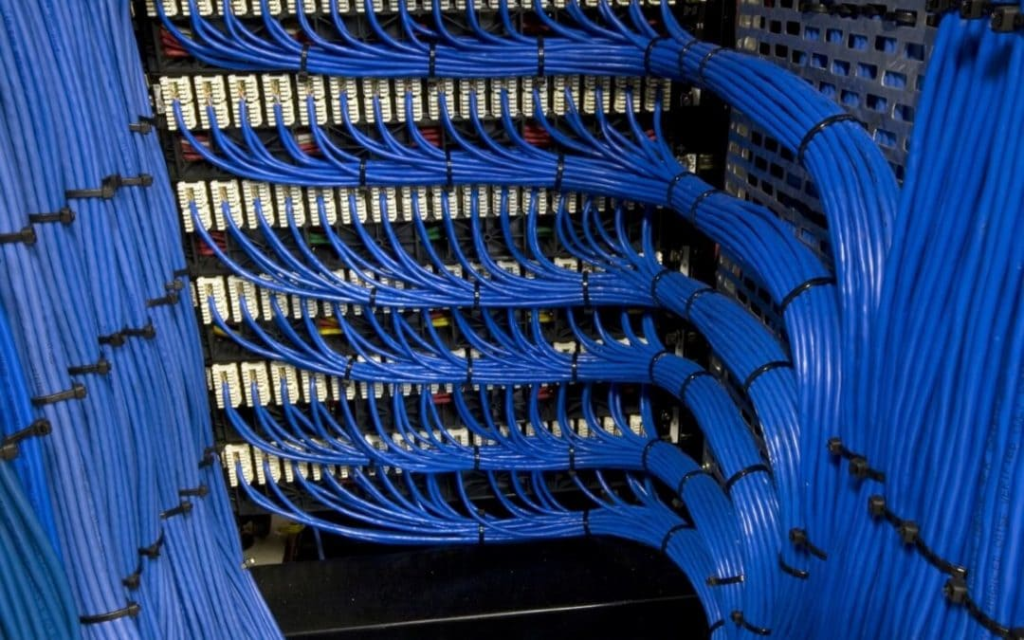
In today’s fast-moving digital world, businesses depend heavily on strong and reliable networks to stay connected, share data, and keep operations running smoothly. Behind every fast internet connection, seamless video call, and secure data transfer is a well-planned system that most people never see. This system is known as Structured Cabling, and it plays a critical role in modern IT infrastructure.
Structured Cabling is the organized approach to designing and installing a building’s network cabling system. Instead of messy, random wires running everywhere, it creates a clear, efficient, and standardized system that supports voice, data, video, and various management systems. Whether it is a small office or a large data center, Structured Cabling ensures everything communicates effectively.
This article explores why Structured Cabling is so important, how it works, and why businesses should invest in it to improve performance, scalability, and long-term reliability.
Understanding the Basics of Structured Cabling
To understand the importance of Structured Cabling, it helps to first know what it actually is. In simple terms, it is a complete system of cables and hardware that connects and supports a company’s IT network. It includes everything from cables and patch panels to switches, routers, and outlets.
Unlike traditional cabling methods where wires are installed in a disorganized way, Structured Cabling follows a standardized design. This design is based on global telecommunications standards, which ensures consistency and compatibility across different systems and devices.
A well-designed Structured Cabling system is divided into several key components, including the entrance facilities, equipment rooms, backbone cabling, horizontal cabling, and work area components. Each part has a specific role in ensuring smooth communication between devices.
For example, backbone cabling connects different floors or areas of a building, while horizontal cabling connects individual workstations. This organized structure helps reduce confusion, improves maintenance, and supports future upgrades without major disruptions.
By creating a clean and logical layout, Structured Cabling makes it easier for IT teams to manage networks and troubleshoot issues quickly. This foundation is essential for any modern business that relies on stable and high-speed connectivity.
How Structured Cabling Improves Network Performance
One of the biggest advantages of Structured Cabling is its impact on network performance. In any business environment, slow or unstable connections can lead to productivity loss, communication delays, and even financial damage. A properly designed cabling system helps eliminate these problems.
Structured Cabling ensures that data travels through the most efficient paths. Because the system is organized and standardized, it reduces signal interference and data loss. This results in faster and more reliable communication between devices.
In addition, high-quality Ethernet cabling used in Structured Cabling systems supports higher bandwidths, which means more data can be transferred at once. This is especially important for companies that rely on cloud computing, video conferencing, and large file transfers.
Another key benefit is reduced downtime. When cables are clearly labeled and properly organized, troubleshooting becomes much easier. IT teams can quickly identify and fix issues without disrupting the entire network. This leads to improved uptime and better overall efficiency.
Structured Cabling also helps maintain consistent performance across the entire network. Whether an employee is working in one corner of the office or another, they receive the same level of connectivity and speed. This consistency is essential for maintaining productivity and ensuring smooth daily operations.
The Role of Structured Cabling in Scalability and Future Growth
As businesses grow, their technology needs also increase. One of the biggest challenges companies face is expanding their IT infrastructure without causing disruptions or excessive costs. This is where Structured Cabling becomes extremely valuable.
A well-designed Structured Cabling system is built with scalability in mind. It allows businesses to add new devices, workstations, and systems without having to redesign the entire network. This flexibility makes it easier to support future growth and technological advancements.
For example, if a company decides to expand its office or add more employees, the existing cabling system can easily accommodate the changes. New connections can be added through available ports and pathways without major rewiring.
This scalability also supports the adoption of new technologies. As businesses move toward cloud-based systems, smart devices, and advanced communication tools, their network infrastructure must be able to handle increased demands. Structured Cabling provides the foundation needed for these modern technologies to function efficiently.
In addition, Structured Cabling reduces long-term costs. While the initial installation may require an investment, the system saves money over time by minimizing maintenance, reducing downtime, and eliminating the need for frequent upgrades. This makes it a cost-effective solution for businesses of all sizes.
Overall, Structured Cabling ensures that IT infrastructure can grow alongside the business without unnecessary complications or disruptions.
Enhancing Reliability and Reducing Downtime with Structured Cabling
Reliability is one of the most important aspects of any IT infrastructure. Businesses depend on their networks to stay operational, communicate with clients, and manage daily tasks. Even a small network failure can lead to significant problems. Structured Cabling plays a major role in improving reliability and reducing downtime.
One of the main reasons Structured Cabling is more reliable than traditional systems is its organized design. Since each cable has a defined path and purpose, there is less chance of errors or confusion. This makes the entire system more stable and easier to manage.
In addition, Structured Cabling uses high-quality materials that are designed to last. These cables are more resistant to wear and tear, environmental factors, and interference. As a result, the system maintains consistent performance over a long period of time.
When issues do occur, they are much easier to identify and fix. Because the system is well-documented and labeled, IT professionals can quickly locate the source of a problem. This reduces troubleshooting time and minimizes disruptions to business operations.
Another important factor is redundancy. Structured Cabling systems are often designed with backup pathways, which means that if one connection fails, another can take over. This ensures continuous connectivity and prevents complete network shutdowns.
For businesses that rely on constant communication and data access, such as financial institutions, hospitals, and large corporations, this level of reliability is essential. Structured Cabling provides the stability needed to keep operations running smoothly at all times.
Structured Cabling in Data Centers and Modern IT Environments
Data centers are the backbone of today’s digital economy. They store, process, and manage massive amounts of information that power websites, applications, and business systems. In these environments, Structured Cabling is absolutely essential.
In a data center, thousands of devices need to communicate with each other efficiently. Without an organized cabling system, this would become chaotic and unmanageable. Structured Cabling provides a clear and efficient layout that supports high-density connections and complex network requirements.
One of the key benefits in data centers is improved airflow and cooling. When cables are neatly organized, there is less clutter, which allows air to circulate more freely. This helps maintain optimal temperatures and prevents equipment from overheating.
Structured Cabling also supports high-speed data transfer, which is crucial in environments where large volumes of information are processed every second. It ensures that servers, storage systems, and networking devices can communicate without delays or bottlenecks.
In modern IT environments, flexibility is also important. Technology is constantly evolving, and systems need to adapt quickly. Structured Cabling makes it easier to upgrade or reconfigure networks without major disruptions. This is especially important for cloud computing and virtualization technologies.
Furthermore, Structured Cabling improves security. A well-organized system makes it easier to monitor connections and detect unauthorized access. This helps protect sensitive data and maintain compliance with industry regulations.
As businesses continue to rely more on digital systems, the importance of Structured Cabling in data centers and IT environments will only continue to grow.
Cost Efficiency and Long-Term Value of Structured Cabling
While some businesses may hesitate due to the initial installation cost, Structured Cabling actually provides significant long-term savings. Its efficiency, durability, and low maintenance requirements make it a cost-effective solution for modern IT infrastructure.
One of the main ways it reduces costs is through simplified maintenance. Because the system is organized and easy to understand, IT teams spend less time troubleshooting and repairing issues. This reduces labor costs and minimizes downtime-related losses.
Structured Cabling also reduces the need for frequent upgrades. Since the system is designed to support high bandwidth and future expansion, businesses do not need to constantly replace their infrastructure as technology evolves. This helps avoid unnecessary expenses.
In addition, the system improves energy efficiency. Well-organized cabling reduces strain on network equipment, which can lead to lower power consumption. Over time, this contributes to reduced operational costs.
Another important factor is reduced risk of damage. Traditional cabling systems are often messy and prone to physical damage, which can lead to expensive repairs. Structured Cabling, on the other hand, is carefully installed and protected, reducing the likelihood of such issues.
When considering the total cost of ownership, Structured Cabling clearly offers better value. It combines performance, reliability, and scalability in a way that supports long-term business success.
Conclusion
Structured Cabling is the foundation of a strong and efficient IT infrastructure. It brings order, reliability, and scalability to network systems, making it easier for businesses to operate in a fast-paced digital environment. From improving network performance and reducing downtime to supporting future growth and lowering long-term costs, Structured Cabling offers clear and lasting benefits. As technology continues to advance, having a well-designed cabling system is no longer optional—it is essential for any organization that wants to stay competitive and connected.


