

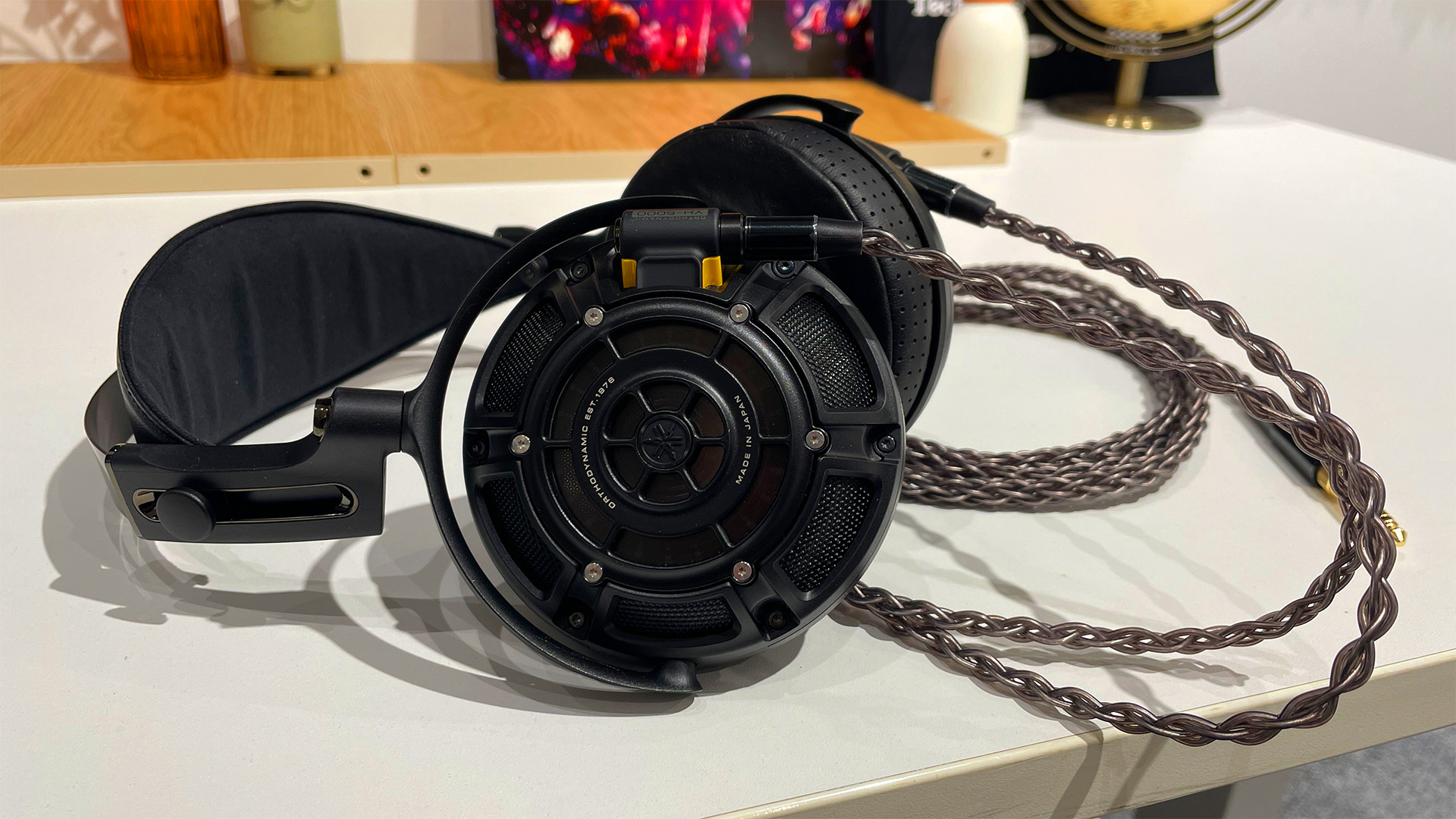
There was a time when good sound quality felt like an indulgence. It was associated with hi-fi systems, expensive home theaters, and audiophile-grade wireless earbuds that only a select few could afford or appreciate. But that time has passed. Today, sound quality is no longer a bonus—it’s the bare minimum. It’s something people expect, rely on, and demand, whether they’re watching a film, attending a virtual meeting, or simply listening to music while commuting.
The shift didn’t happen overnight. It crept in slowly, powered by changes in how we live, work, communicate, and consume media. Now, whether you’re a student, a professional, a content creator, or just someone trying to wind down after a long day, high-quality audio is essential. It’s not just about better sound—it’s about better connection, better communication, and a better experience altogether.
Let’s break down why sound quality is now a necessity in everyday life.
1. The Way We Work Has Changed
Work-from-home culture didn’t just arrive—it exploded. Video calls, virtual meetings, remote collaborations—these are no longer occasional; they’re standard. And when people speak, you need to hear them clearly. Muffled audio or distorted voices aren’t just frustrating; they’re disruptive.
Clear audio makes a difference in how we understand, respond, and engage during conversations. In a professional setting, poor sound quality isn’t a minor annoyance—it can cost deals, delay decisions, and damage your impression. When voices cut out or echo, it breaks focus and creates misunderstandings. Good microphones, reliable earbuds, and background noise isolation aren’t perks anymore—they’re tools for modern professionalism.
So whether you’re on Zoom, Google Meet, or just handling daily calls, you need equipment that delivers crisp, natural sound. You need to hear and be heard. That clarity has moved from ‘nice to have’ to non-negotiable.
2. Entertainment Has Evolved—and Expectations Have Grown
When people stream a movie on Netflix, play a game, or watch YouTube videos, they don’t settle for low resolution or scratchy audio. Whether they realize it or not, immersive sound has become part of the experience they expect.
Streaming services now offer Dolby Atmos and other high-definition audio formats for a reason. Visuals pull you in, but it’s the sound that keeps you there—creating tension, emotion, and depth. A well-placed bass drop, crisp dialogues, ambient effects—they all matter. And if your earphones or speakers can’t deliver that range, you’re missing out on half the story.
Gaming is another domain where good sound isn’t optional. Directional sound helps gamers stay alert, react quickly, and immerse themselves in the world. It’s not about hearing—it’s about feeling the environment. Cheap, hollow-sounding audio devices simply can’t do justice to modern games.
The bottom line? Whether you’re binging a show or exploring a virtual world, sound matters. And people have grown used to quality. Anything less feels like a compromise.
3. Music Listening Isn’t Casual Anymore—It’s Personal
Music has always been about mood, memories, and expression. But now more than ever, it plays a deeply personal role in our day-to-day lives. We listen to music while we work, exercise, drive, cook, or unwind. It becomes a background score to our lives.
That’s why bad audio is more jarring than ever. No one wants their favorite artist sounding like they’re trapped inside a tin can. People expect balance, clarity, and depth—whether it’s a thumping beat or soft acoustic melody.
Wireless earbuds, portable speakers, and even in-car audio systems have raised the bar. Bass shouldn’t overpower vocals. Treble shouldn’t be harsh. Every layer of a track should be distinguishable—and accessible even from a budget-friendly device. That’s what modern listeners want: accessible quality without sacrificing detail.
And let’s not forget: many people also create music, podcasts, or videos on the side. For them, sound quality isn’t just about consumption—it’s about production. So good audio is no longer the domain of producers and engineers; it’s part of mainstream self-expression.
4. Sound Quality Affects Communication More Than We Think
If you’ve ever misunderstood someone because of poor call quality, you already know this. In both personal and professional communication, tone, pace, and pauses play a huge role. But when audio is fuzzy or uneven, those nuances vanish. Misinterpretations become common.
Think about how much we rely on audio for emotional cues—especially when we’re not face-to-face. A comforting voice, a serious tone, or a moment of silence can say more than words. But all of that depends on clean transmission.
Good sound quality ensures that nothing gets lost in translation. It strengthens relationships, builds trust, and helps maintain a sense of presence even across distances. That matters. Whether you’re catching up with family or pitching a client, you want the sound to reflect the sincerity of your voice.
5. Noise Pollution Is Real—And Quality Helps Cut Through It
Let’s face it—life is noisy. Cars honking, fans whirring, people talking, construction hammering away in the background. Whether you’re in a café, at home, or on the go, external noise is constant.
That’s where sound quality makes a crucial difference. Advanced audio devices now come with features like noise cancellation, wind reduction, and ambient sound adjustment. These aren’t gimmicks—they’re essential features designed for how people live today.
You shouldn’t have to raise your voice to be heard on a call. You shouldn’t have to turn the volume up just to hear your playlist over traffic. Good devices solve these problems. And once you experience that comfort, going back to sub-par sound becomes almost unbearable.
6. We’ve Developed a Taste for Quality—And There’s No Going Back
Perhaps the most powerful reason why sound quality has become a necessity is this: our expectations have evolved. Technology has improved, prices have come down, and accessibility has increased. People have tasted quality, and now they want more.
This isn’t just about audiophiles anymore. Everyday users can tell the difference between average and excellent. Whether it’s clarity, bass response, stereo separation, or just the overall comfort of listening—people are more aware. And because the market has responded with better, affordable options, users now expect high standards even in budget devices.
This democratization of quality has changed the narrative. Sound quality is no longer tied to luxury—it’s tied to lifestyle.
7. Brands That Prioritize Sound Are Now Leading the Market
It’s no surprise that brands which invest in sound engineering and audio performance are thriving. Whether it’s through dynamic drivers, fine-tuned acoustics, or smart noise control, the brands that deliver consistent audio quality are building stronger loyalty and recognition.
In Pakistan, this trend is very visible. Brands like Audionic, for example, have gained a strong foothold by focusing not just on trendy designs or wireless connectivity, but also on delivering robust, reliable audio at reasonable prices. They understand that today’s user isn’t just buying a gadget—they’re buying an experience.
Consumers are no longer easily impressed by flashy exteriors or app-based gimmicks. If the sound doesn’t perform, the product doesn’t last. And companies have realized this.
The Final Word: Sound Is Serious Now
We live in a world that’s increasingly digital, fast-paced, and demanding. Audio is no longer a background feature—it’s a core component of how we engage with everything around us. From work and entertainment to learning and emotional connection, sound plays a defining role.
This is why good sound quality is no longer just a treat for the tech-obsessed or the music elite. It’s something every user needs, notices, and expects. It affects how we feel, how we focus, and how we connect.
So when you’re choosing your next pair of earbuds, your next speaker, or your next call setup—don’t settle. Don’t treat sound quality as a luxury.
It’s a necessity. And you deserve it.
