

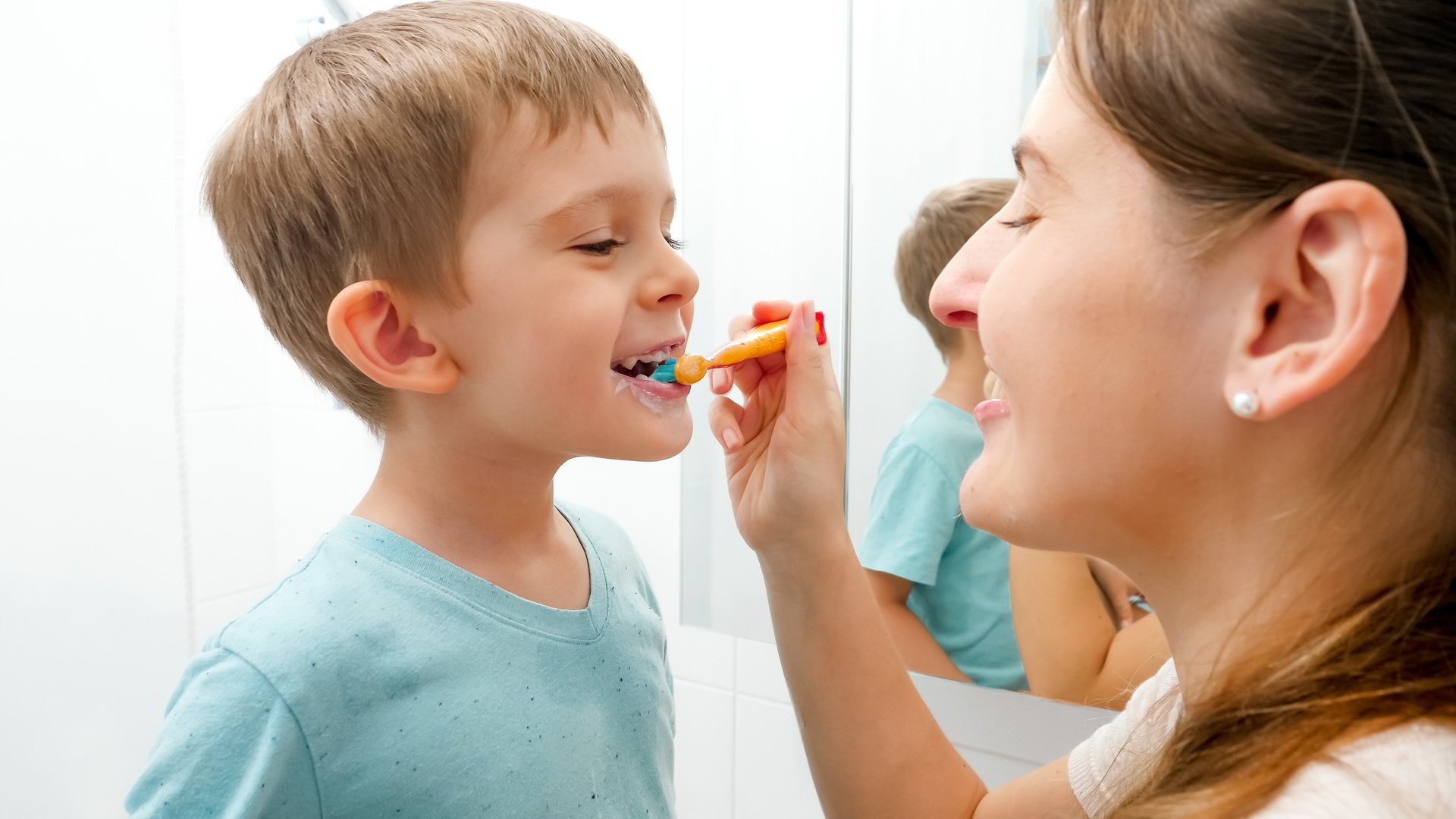
A child’s smile changes quickly as they grow. Baby teeth appear, permanent teeth begin to replace them, and new dental habits develop along the way. These early years are important because the experiences children have with oral care can influence their attitude toward dentistry for many years.
Good dental care is not only about treating cavities. It is also about prevention, education, confidence, nutrition, hygiene, and regular professional care. Parents play a major role in creating healthy routines, but professional dental support can make the process easier.
Finding the right kids dentist can give children a comfortable environment where they can learn about their teeth without unnecessary fear or anxiety. A positive experience during childhood can make future dental visits feel much more natural.
Why Children Need Special Dental Care
Children are not simply small versions of adults. Their teeth, jaws, habits, and emotional needs are different. Dental care should therefore be adapted to their stage of development.
Baby teeth have an important role even though they eventually fall out. They help children chew food, speak clearly, and maintain appropriate space for permanent teeth. Problems affecting baby teeth can sometimes create discomfort and interfere with eating, sleeping, or everyday activities.
Children are also learning how to brush and care for their teeth. Younger children may not have the coordination needed to clean every surface effectively. Parents often need to supervise brushing and provide assistance.
Professional dental appointments provide another layer of protection. Dentists can identify early signs of tooth decay, monitor development, answer questions, and help families understand what their child needs at each stage.
The Importance of Starting Early
Many parents assume that dental visits are only necessary after permanent teeth appear. In reality, oral care should begin much earlier.
A child can develop tooth decay as soon as teeth appear. Regular professional care allows potential problems to be identified before they become more complicated.
Early appointments also help children become familiar with the dental environment. Instead of visiting only when something hurts, children can experience dentistry as a normal part of growing up.
This can make a major difference in the way they respond to appointments later in life.
Making Dental Visits Comfortable
One of the biggest challenges for parents is dental anxiety. Some children become nervous because they do not know what will happen. Others may have heard frightening stories from friends, siblings, television, or social media.
A child-friendly dental environment can help reduce these concerns.
Dentists who regularly work with children understand the importance of communication. They may explain procedures using simple language, introduce equipment gradually, and allow children to ask questions.
The goal is to help children feel informed rather than overwhelmed.
Parents can support this process by using positive language when discussing dental visits. It is generally better to avoid words that may create fear, such as “pain,” “needle,” or “hurt,” when they are not necessary.
Instead, parents can describe the dentist as someone who helps keep teeth strong and healthy.
Teaching Children How to Brush
Brushing is one of the most important daily habits a child can develop.
Young children often want to brush independently, which is a positive sign. However, independence does not always mean effective cleaning.
Parents should supervise brushing and make sure all areas of the mouth receive attention.
A simple routine can include:
- Brushing twice each day
- Using an age-appropriate toothbrush
- Using an appropriate amount of fluoride toothpaste
- Cleaning the front, back, and chewing surfaces of teeth
- Brushing gently along the gumline
- Replacing toothbrushes when the bristles become worn
As children become older and develop better coordination, they can gradually take greater responsibility for their oral hygiene.
Fluoride and Children’s Teeth
Fluoride is an important part of modern preventive dentistry. It can help strengthen tooth enamel and make teeth more resistant to acid attacks that contribute to decay.
The amount of fluoride toothpaste a child should use depends on their age and individual circumstances. Parents should follow guidance from their dental professional and use the recommended amount.
Professional fluoride treatments may also be appropriate for some children, particularly those who have a higher risk of developing cavities.
A dentist can assess the child’s needs and explain whether additional fluoride protection would be beneficial.
Understanding Childhood Tooth Decay
Tooth decay is one of the most common oral health concerns among children.
It develops when bacteria in the mouth interact with sugars and produce acids that gradually damage tooth enamel. Frequent exposure to sugary foods and drinks can increase the risk.
Children do not necessarily need to avoid every sweet food. Instead, parents can focus on moderation and frequency.
Drinking water regularly, limiting sugary snacks between meals, and maintaining good brushing habits can all contribute to better oral health.
Regular dental appointments also allow early signs of decay to be detected.
The Role of Healthy Nutrition
Nutrition and oral health are closely connected.
Children need balanced meals to support their growing bodies, including their teeth and jaw development. Foods containing calcium, phosphorus, vitamins, protein, and other nutrients can contribute to overall health.
Parents should also consider how often children consume sugary foods.
A child who constantly snacks on sweet foods may expose their teeth to repeated acid attacks throughout the day. Structuring meals and snacks can help reduce this exposure.
Water is generally an excellent everyday drink. It helps keep the mouth hydrated and can be a better choice than sugary beverages.
Baby Teeth Matter
There is sometimes a misconception that baby teeth do not require serious care because they will eventually fall out.
This is not true.
Baby teeth can become infected or painful if decay is left untreated. A child experiencing dental pain may struggle to eat, sleep, concentrate, or participate comfortably in everyday activities.
Baby teeth also help maintain space for permanent teeth. Losing them too early can sometimes affect how permanent teeth develop or erupt.
For these reasons, protecting primary teeth is an important part of childhood healthcare.
Regular Dental Checkups
Routine checkups allow dentists to monitor changes over time.
During an appointment, the dental professional may examine the teeth and gums, assess oral hygiene, look for signs of decay, and monitor the development of the jaw and permanent teeth.
The exact frequency of appointments depends on the child’s individual needs.
Some children may require more frequent visits because of previous cavities, orthodontic concerns, enamel problems, oral habits, or other risk factors.
Parents should discuss an appropriate schedule with their dental professional.
Dental X-Rays for Children
Dental X-rays are sometimes recommended when a dentist needs information that cannot be obtained through a visual examination.
For example, an X-ray may help identify decay between teeth, evaluate developing permanent teeth, or assess specific concerns.
Modern dental practices use appropriate techniques to keep radiation exposure as low as reasonably achievable.
X-rays are not automatically required at every appointment. The decision should be based on the child’s age, dental history, risk factors, and clinical needs.
What Parents Should Do About Dental Emergencies
Children are active. Falls, sports injuries, accidents, and other situations can sometimes result in damage to the mouth.
A knocked, chipped, cracked, or loosened tooth should be assessed by a dental professional.
Parents should remain calm and seek professional advice as soon as possible. The appropriate response can depend on whether the affected tooth is a baby tooth or permanent tooth.
If a child experiences significant bleeding, swelling, severe pain, facial injury, or difficulty breathing or swallowing, urgent medical attention may be necessary.
Knowing where to seek help before an emergency happens can give parents greater confidence.
Choosing the Right Dental Clinic
Choosing a dental clinic for your family involves more than looking for a convenient location.
Parents should consider whether the clinic has experience treating children, whether the environment feels welcoming, and whether dental professionals communicate clearly with young patients.
It can also be useful to ask about preventive care, emergency appointments, treatment options, and how the clinic handles nervous children.
Families looking for a dental clinic coffs can consider these factors when deciding which practice is appropriate for their children’s needs.
A good relationship between the family and dental team can make ongoing care much easier.
Helping Nervous Children
Some children naturally feel more anxious about unfamiliar situations.
Parents can help by preparing them in advance. Explain what a dental visit involves using simple and positive language.
Avoid promising that nothing will feel unusual because the child may experience unfamiliar sensations. Instead, focus on the purpose of the appointment and reassure them that the dental team is there to help.
Reading children’s books about dental visits can also make the experience more familiar.
Parents should try to remain relaxed themselves. Children often notice adult reactions and can pick up on nervousness.
The Importance of Regular Dental Education
Children benefit when oral health becomes part of everyday learning.
Parents can teach children why teeth need cleaning rather than simply telling them to brush.
For example, children can learn that food particles and bacteria can contribute to plaque and that brushing helps remove it.
Simple explanations can make dental care more meaningful.
Parents can also make brushing more enjoyable by allowing children to choose a toothbrush with a favourite colour or character, playing a short song during brushing, or creating a consistent bedtime routine.
The objective is to make oral care feel normal rather than like a punishment.
Thumb Sucking and Pacifier Habits
Many babies and young children naturally suck their thumbs or use pacifiers for comfort.
For most children, these habits are part of early development. However, prolonged or intense sucking can affect the position of teeth and the development of the mouth.
Parents should discuss persistent habits with their dentist.
A dental professional can assess the child’s development and provide age-appropriate advice about when and how to reduce the habit.
It is usually better to approach this process calmly rather than using punishment or shame.
Protecting Teeth During Sports
Children who participate in contact sports or activities involving falls may benefit from wearing a properly fitted mouthguard.
A mouthguard can help reduce the risk of injuries to teeth, lips, cheeks, and gums.
Parents should ask their dental professional about suitable protection for their child’s specific activities.
A mouthguard should also be kept clean and checked regularly for signs of damage or poor fit.
As a child grows, the mouthguard may eventually need to be replaced.
Orthodontic Development
A child’s teeth and jaws change significantly throughout childhood.
Dentists monitor these changes during routine appointments and can identify potential alignment concerns.
Some children may eventually benefit from orthodontic treatment. Early assessment does not necessarily mean that braces are required immediately.
Instead, monitoring development allows dental professionals to determine whether intervention is necessary and, if so, when treatment may be most appropriate.
Early recognition can sometimes make future treatment planning easier.
Dental Sealants and Preventive Protection
Some children have deep grooves and pits in their back teeth where food particles and bacteria can become trapped.
Dental sealants can provide an additional protective barrier over certain chewing surfaces.
Whether sealants are suitable depends on the child’s teeth and risk of decay.
A dentist can examine the teeth and discuss preventive options with parents.
Preventive dentistry focuses on avoiding problems rather than waiting until treatment becomes necessary.
What to Do When a Child Has Tooth Pain
Tooth pain should never be ignored.
Children may describe dental discomfort differently depending on their age. A younger child might complain about a sore tooth, while another child may become irritable or avoid certain foods.
Pain can be associated with several dental problems, including decay, infection, trauma, or issues with developing teeth.
Parents should arrange a dental assessment rather than relying solely on temporary solutions.
Early professional evaluation can help identify the cause and determine appropriate treatment.
Creating a Family Dental Routine
Children often learn by watching their parents.
When adults brush their teeth consistently and treat dental appointments as a normal part of life, children are more likely to develop similar habits.
A family routine can include brushing teeth at the same times each morning and evening.
Parents can also schedule regular appointments for family members and keep dental care visible as part of the household routine.
This approach can help children understand that oral health is something everyone needs to maintain.
Why Prevention Is Better Than Emergency Treatment
Preventive dental care can reduce the likelihood of serious problems.
Regular examinations give dentists opportunities to identify early changes before they develop into larger concerns.
For families, this can mean fewer unexpected dental emergencies and a better understanding of their children’s oral health.
Prevention can also teach children valuable habits that continue into adulthood.
A child who learns to brush properly, eat a balanced diet, attend dental appointments, and recognize the importance of oral health is developing skills that can benefit them for decades.
Building Confidence Around Dentistry
A positive dental experience can influence how a child feels about oral healthcare in the future.
Children who understand what is happening and feel respected during appointments may become more comfortable with dental visits.
This is why communication matters.
Dentists, parents, and children should work together to create an environment where questions are welcome.
There is no need to make dental care frightening or complicated. Simple explanations and consistent routines can make a significant difference.
Questions Parents Should Ask Their Dentist
Parents should feel comfortable asking questions about their child’s oral health.
Useful questions may include:
- How often should my child have a dental checkup?
- Is my child’s brushing technique effective?
- How much toothpaste should my child use?
- Does my child have an increased risk of cavities?
- Are fluoride treatments appropriate?
- Does my child need dental sealants?
- Are the teeth developing normally?
- Should we be concerned about thumb sucking?
- Does my child need a mouthguard for sports?
- When should we consider an orthodontic assessment?
The answers will depend on the child’s age, dental development, habits, and individual risk factors.
Making Oral Health a Long-Term Priority
Children’s dental care should not be viewed as a short-term responsibility.
The habits developed during childhood can influence oral health throughout life.
Teaching children to care for their teeth gives them more than a clean smile. It gives them knowledge about prevention, personal responsibility, nutrition, hygiene, and regular healthcare.
Professional dental care supports these lessons by providing examinations, preventive treatments, education, and early intervention when necessary.
Final Thoughts
Healthy teeth can contribute to a child’s comfort, confidence, nutrition, and overall quality of life. The foundation for good oral health begins with simple habits practiced consistently.
Parents can support their children by encouraging regular brushing, offering balanced foods, limiting frequent sugary snacks, protecting teeth during sports, and arranging routine dental checkups.
Choosing an experienced kids dentist can also help children become comfortable with professional dental care from an early age.
Whether a child needs a routine examination, preventive advice, or assessment for a specific concern, establishing a trusted relationship with a dental team can make the experience easier for everyone.
Most importantly, children should learn that visiting the dentist is not something to fear. It is a normal part of staying healthy. With supportive parents, good daily habits, and appropriate professional care, children can develop a strong foundation for a lifetime of healthier smiles.


