

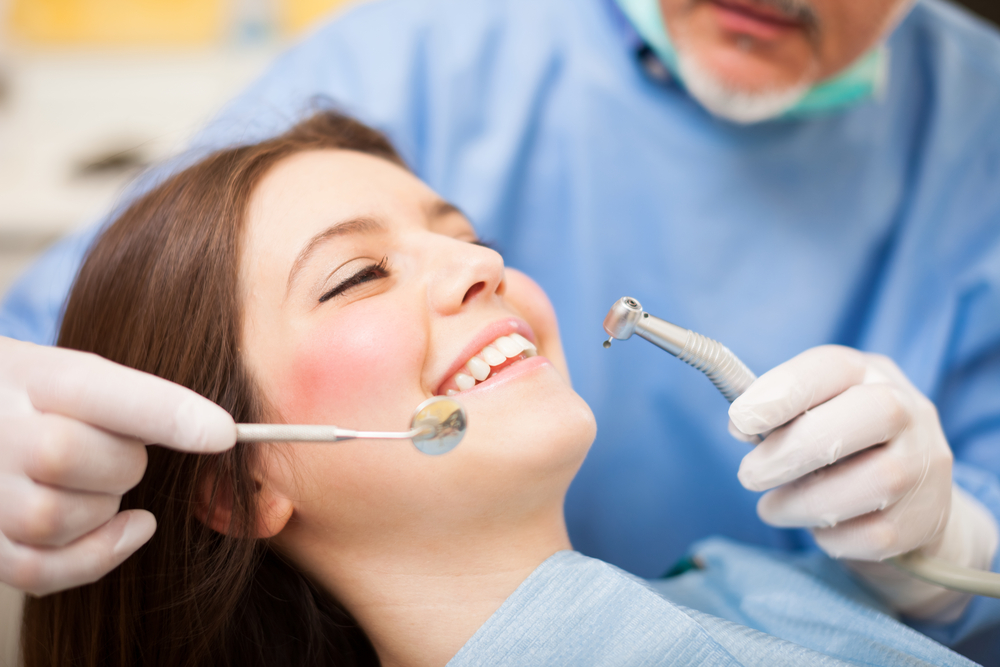
Oral health plays a critical role in overall well-being. While many people associate dental visits with fillings, cleanings, or emergency treatments, modern dentistry has evolved far beyond these traditional services. Today, dental professionals focus on preventive care, patient education, advanced technologies, and whole-body wellness to help individuals maintain healthy smiles for life.
As awareness of the connection between oral health and general health continues to grow, more patients are seeking comprehensive dental care that addresses both immediate concerns and long-term wellness goals. This shift has transformed the way dental practices operate and how patients approach their dental health.
The Importance of Preventive Dentistry
Preventive dentistry remains the foundation of excellent oral health. Regular checkups and professional cleanings allow dental professionals to identify issues before they become serious problems. Early detection of cavities, gum disease, enamel erosion, and other conditions can save patients significant time, discomfort, and expense in the future.
Preventive care also includes educating patients about proper brushing techniques, flossing habits, dietary choices, and lifestyle factors that impact oral health. By taking a proactive approach, individuals can reduce the likelihood of requiring extensive restorative treatments later in life.
Routine dental visits provide an opportunity to monitor changes in oral health over time. Dentists can track the condition of teeth and gums, identify patterns, and recommend personalized strategies to maintain optimal oral hygiene.
Understanding the Oral-Systemic Health Connection
Research has increasingly demonstrated that oral health is closely connected to overall health. Conditions such as gum disease have been linked to various systemic health concerns, including cardiovascular disease, diabetes, respiratory illnesses, and pregnancy complications.
Inflammation in the mouth can potentially contribute to inflammation throughout the body. Similarly, certain medical conditions may manifest symptoms in the oral cavity before becoming apparent elsewhere.
This understanding has encouraged dental professionals to adopt a more comprehensive approach to patient care. Rather than focusing solely on teeth and gums, they consider how oral health may influence and be influenced by other aspects of a patient’s health.
As a result, many patients now view dental care as an essential component of their overall healthcare routine rather than a separate concern.
The Growing Demand for Personalized Dental Care
Every patient has unique oral health needs, goals, and concerns. Modern dentistry recognizes the importance of individualized treatment plans that account for these differences.
Factors such as age, medical history, lifestyle habits, dietary preferences, and cosmetic objectives all play a role in determining the most appropriate treatment approach. Personalized care helps ensure that patients receive recommendations tailored to their specific circumstances.
Many dental practices now utilize advanced diagnostic tools and digital technologies to gather detailed information about a patient’s oral health. This data enables more precise diagnoses and treatment planning, ultimately leading to better outcomes.
Patients also appreciate having a greater voice in their treatment decisions. Collaborative care models encourage open communication and shared decision-making between dentists and patients.
Advancements in Dental Technology
Technological innovations have revolutionized nearly every aspect of modern dentistry. From diagnostics to treatment delivery, these advancements have improved accuracy, comfort, and efficiency.
Digital imaging systems provide highly detailed views of teeth and surrounding structures while minimizing radiation exposure. Intraoral cameras allow patients to see exactly what their dentist sees, enhancing understanding and trust.
Computer-aided design and manufacturing technologies enable the creation of precise restorations such as crowns, veneers, and bridges. These tools often reduce treatment times while improving fit and aesthetics.
Laser dentistry offers minimally invasive treatment options for certain procedures, reducing discomfort and promoting faster healing. Meanwhile, digital impressions eliminate the need for traditional impression materials that many patients find uncomfortable.
These innovations contribute to a more positive dental experience and help patients feel more confident about seeking care.
Cosmetic Dentistry and Smile Enhancement
A healthy smile is important, but many patients also desire an attractive smile that boosts confidence and self-esteem. Cosmetic dentistry has become increasingly popular as people seek solutions to improve the appearance of their teeth.
Common cosmetic treatments include teeth whitening, veneers, bonding, orthodontics, and smile makeovers. These procedures can address concerns such as discoloration, gaps, chips, misalignment, and uneven tooth shapes.
The psychological benefits of cosmetic dentistry can be significant. Many individuals report feeling more confident in social situations, professional settings, and personal relationships after enhancing their smiles.
Modern cosmetic dentistry emphasizes natural-looking results that complement a patient’s facial features and overall appearance. The goal is not simply to create a perfect smile but to achieve a smile that looks healthy, balanced, and authentic.
The Rise of Holistic Dental Approaches
As patients become more health-conscious, interest in comprehensive wellness-focused dentistry has grown. Many individuals now seek care from a Holistic Dentist who considers the relationship between oral health and the rest of the body.
Holistic dental approaches often emphasize preventive care, biocompatible materials, and treatment strategies that support overall wellness. Practitioners may evaluate factors such as nutrition, lifestyle habits, and environmental influences when developing treatment recommendations.
Patients are increasingly attracted to dental providers who take a broader view of health and prioritize minimally invasive techniques whenever appropriate. This approach aligns with the growing trend toward integrative healthcare and personalized wellness strategies.
While treatment philosophies may vary among practitioners, the common goal is to help patients achieve optimal oral health while supporting their overall quality of life.
Family Dentistry and Lifelong Care
Family dentistry provides comprehensive care for patients of all ages, from young children to seniors. Having a trusted dental provider who understands a family’s dental history can offer significant advantages.
Children benefit from early exposure to dental care, helping them develop positive attitudes toward oral health. Regular visits establish healthy habits and allow dentists to monitor growth and development.
Adults require ongoing preventive care, restorative treatments, and cosmetic services as needed. Seniors often face unique oral health challenges related to aging, medications, and medical conditions.
Family-focused dental practices are equipped to address the diverse needs of multiple generations under one roof. This convenience encourages consistent care and strengthens long-term patient relationships.
Choosing the Right Dental Provider
Selecting a dental provider is an important decision that can significantly impact oral health outcomes and overall patient satisfaction. Several factors should be considered when evaluating dental practices.
Experience, qualifications, and continuing education demonstrate a commitment to maintaining high professional standards. Modern facilities and advanced technology may also contribute to more efficient and comfortable treatment experiences.
Communication is equally important. Patients should feel comfortable asking questions, expressing concerns, and discussing treatment options. A positive relationship built on trust and transparency often leads to better healthcare experiences.
Individuals seeking comprehensive dental services may choose a Dentist Epping who offers a wide range of preventive, restorative, cosmetic, and wellness-focused treatments tailored to their needs.
Convenient scheduling, flexible payment options, and a welcoming environment can further enhance the patient experience and encourage regular attendance.
Maintaining Oral Health Between Dental Visits
Professional dental care is essential, but daily habits play a crucial role in maintaining oral health. Consistent oral hygiene practices help prevent many common dental problems.
Brushing twice daily with fluoride toothpaste removes plaque and reduces the risk of cavities. Flossing helps clean areas between teeth that toothbrushes cannot effectively reach. Antimicrobial mouth rinses may provide additional protection against bacteria.
Diet also significantly impacts oral health. Limiting sugary foods and beverages can reduce cavity risk, while consuming nutrient-rich foods supports healthy teeth and gums. Staying hydrated promotes saliva production, which helps protect the mouth naturally.
Avoiding tobacco products and moderating alcohol consumption can further reduce the likelihood of oral health complications.
Regular self-monitoring is also beneficial. Patients should be aware of changes such as bleeding gums, tooth sensitivity, persistent bad breath, or unusual lesions and report these concerns to their dentist promptly.
The Future of Dentistry
The future of dentistry promises even greater advancements in patient care. Emerging technologies such as artificial intelligence, digital treatment planning, regenerative therapies, and teledentistry are expected to transform the field further.
Artificial intelligence may assist in diagnosing dental conditions with greater precision, while regenerative treatments could help restore damaged tissues naturally. Digital workflows will likely continue improving efficiency and customization.
At the same time, patient expectations are evolving. Individuals increasingly seek convenient, personalized, and wellness-oriented care experiences. Dental practices that embrace innovation while maintaining strong patient relationships will be well-positioned for success.
The growing recognition of oral health as an integral component of overall health will continue to shape the future of dental care and encourage greater collaboration between dental and medical professionals.
Conclusion
Modern dentistry extends far beyond treating cavities and repairing damaged teeth. Today’s dental professionals focus on prevention, education, technology, aesthetics, and whole-body wellness to help patients achieve lasting oral health.
By understanding the connection between oral health and overall well-being, individuals can make informed decisions about their dental care. Whether seeking preventive services, cosmetic improvements, or wellness-focused treatment approaches, patients have more options than ever before.
Regular dental visits, healthy daily habits, and a commitment to preventive care remain the cornerstones of a healthy smile. As dental science and technology continue to advance, patients can look forward to increasingly personalized, effective, and comfortable care that supports both oral and overall health for years to come.
