
In today’s advanced manufacturing world, precision, speed, and material versatility are more important than ever. Industries ranging from aerospace to automotive, metal fabrication, stone cutting, and even art design rely on highly accurate cutting technologies to produce complex shapes and components. Among these technologies, water-based cutting systems have become one of the most reliable and efficient solutions.
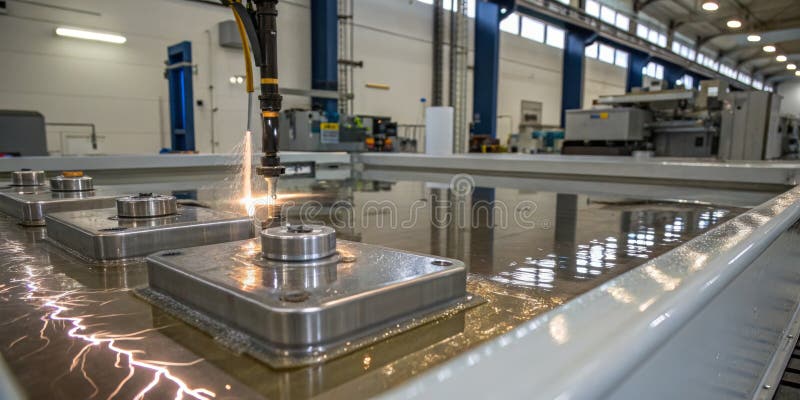
One of the most powerful innovations in this field is the cnc water jet system, which uses high-pressure water (often mixed with abrasive particles) to cut through a wide range of materials with extreme precision. Unlike traditional cutting methods that rely on heat or mechanical force, water jet systems offer a cold cutting process, eliminating heat-affected zones and preserving material integrity.
This article explores how CNC water jet technology works, its advantages, applications, and what to consider when purchasing industrial cutting equipment, including options like a cnc water jet cutter for sale in the global market.
What is CNC Water Jet Cutting?
CNC water jet cutting is a computer-controlled process that uses a high-pressure stream of water to cut materials with exceptional accuracy. CNC stands for Computer Numerical Control, meaning the entire cutting process is automated through programmed instructions.
The system typically consists of:
- A high-pressure pump
- A CNC controller
- A cutting head
- A water delivery system
- Abrasive feeder (for hard materials)
When water alone is used, it is ideal for softer materials such as rubber, foam, textiles, and food products. However, when mixed with abrasive materials like garnet, the system can cut through metals, ceramics, stone, glass, and thick composites.
The cnc water jet system has become a preferred solution for industries that require precision without compromising material strength or structure.
How CNC Water Jet Technology Works
The process begins with water being pressurized to extremely high levels, often up to 60,000 PSI or more. This high-pressure water is then forced through a tiny nozzle, creating a focused, high-speed jet capable of cutting through tough materials.
When abrasive particles are added, they are mixed into the water stream just before it exits the nozzle. These particles dramatically increase cutting power by eroding the material surface at high speed.
The CNC controller guides the cutting head based on a digital design file. This ensures:
- Perfect repeatability
- High dimensional accuracy
- Complex shape cutting
- Minimal human intervention
Because there is no heat involved, the process avoids issues like warping, melting, or structural weakening of materials.
Advantages of CNC Water Jet Cutting
One of the main reasons industries invest in water jet technology is its wide range of benefits. The cnc water jet system offers several key advantages over laser, plasma, and mechanical cutting methods.
1. Cold Cutting Process
Since no heat is used, materials remain unchanged in their original form. This is critical for metals and heat-sensitive materials.
2. Versatility
Water jet cutters can handle:
- Metals (steel, aluminum, titanium)
- Stone and granite
- Glass and ceramics
- Plastics and rubber
- Composite materials
3. High Precision
CNC programming allows extremely accurate cuts, even for complex designs and tight tolerances.
4. No Material Distortion
Unlike thermal cutting methods, there are no burn marks, cracks, or hardened edges.
5. Environmentally Friendly
Water jet systems do not produce harmful fumes or gases, making them safer and cleaner for operators.
6. Reduced Material Waste
Precision cutting reduces errors and maximizes material usage, which helps lower production costs.
Industrial Applications of CNC Water Jet Systems
The flexibility of CNC water jet technology makes it useful across multiple industries.
Aerospace Industry
Used for cutting titanium, aluminum, and advanced composites used in aircraft structures. Precision is critical, and water jet systems deliver high accuracy without weakening materials.
Automotive Industry
Manufacturers use CNC water jet machines for cutting car body components, interior panels, and custom parts.
Construction and Architecture
Stone, marble, and glass cutting are common applications. Intricate designs for flooring, walls, and decorative elements are easily achieved.
Metal Fabrication
From industrial machinery parts to custom fabrication projects, water jet cutting is widely used for both prototyping and production.
Textile and Food Industry
Pure water jets (without abrasives) are used for cutting fabrics, leather, foam, and even food items in hygienic environments.
Types of CNC Water Jet Machines
There are several types of water jet cutting systems depending on the application:
Pure Water Jet
Used for soft materials like rubber, foam, and textiles. It uses only high-pressure water without abrasives.
Abrasive Water Jet
The most powerful type, capable of cutting hard materials like steel, stone, and ceramics.
3-Axis Water Jet
Basic configuration for flat cutting applications.
5-Axis Water Jet
Advanced systems that allow angled and 3D cutting, ideal for complex industrial parts.
Key Features to Consider Before Buying
When searching for a cnc water jet cutter for sale, it is important to evaluate several technical and operational factors before making an investment.
Pump Pressure
Higher pressure means faster and more efficient cutting. Industrial systems often range between 40,000 to 60,000 PSI.
Cutting Bed Size
The working area should match your production needs. Larger beds allow cutting of bigger sheets and materials.
Software Compatibility
Modern CNC systems should support CAD/CAM software for easy design integration.
Abrasive Consumption
Efficient machines minimize abrasive usage, reducing long-term operational costs.
Maintenance Requirements
Look for systems with easy maintenance access and reliable spare parts availability.
Automation Features
Advanced systems offer automatic height control, material sensing, and smart cutting optimization.
Cost Considerations
The price of CNC water jet systems varies significantly depending on size, power, and features. Entry-level machines may be suitable for small workshops, while high-end industrial systems are designed for mass production environments.
When evaluating a cnc water jet cutter for sale, it is important not just to consider the initial purchase cost but also:
- Maintenance expenses
- Water and abrasive consumption
- Energy usage
- Operator training requirements
A well-chosen machine can provide long-term cost savings through efficiency and reduced material waste.
Maintenance and Operational Tips
To ensure optimal performance, regular maintenance is essential. Some key practices include:
- Checking nozzle wear regularly
- Cleaning abrasive delivery systems
- Maintaining consistent water quality
- Inspecting high-pressure pumps
- Updating CNC software when needed
Proper maintenance increases machine lifespan and ensures consistent cutting quality.
Future of CNC Water Jet Technology
The future of water jet cutting looks promising as industries continue to demand higher precision and automation. Innovations such as AI-driven cutting optimization, faster pump technology, and hybrid manufacturing systems are already being developed.
As sustainability becomes more important, the cnc water jet system is expected to grow in popularity due to its environmentally friendly nature and low thermal impact.
Conclusion
CNC water jet cutting has revolutionized the manufacturing industry by offering a precise, versatile, and environmentally friendly cutting solution. From aerospace engineering to artistic stone design, this technology continues to expand its applications.
Whether you are a small workshop owner or a large industrial manufacturer, investing in a cnc water jet cutter for sale can significantly improve production quality, reduce waste, and enhance overall efficiency.
With continuous advancements in automation and cutting technology, CNC water jet systems are set to remain a cornerstone of modern fabrication for years to come.