

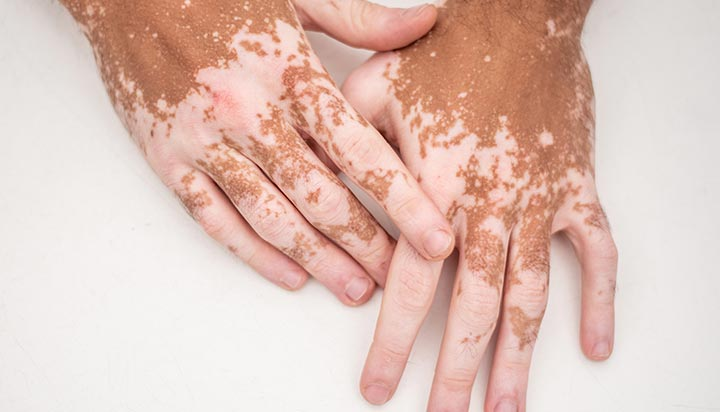
In dermatology, depigmentation therapy represents a specialized treatment approach used to achieve uniform skin tone in patients with extensive pigmentation disorders. When pigmentation disorders spread widely across the body and cannot be corrected through repigmentation methods, dermatologists may recommend a controlled process of removing remaining pigment to create a balanced appearance.
One of the most significant agents used for this purpose is monobenzone 20% cream, a topical depigmenting compound that permanently reduces skin pigmentation by eliminating melanocytes. This therapy is most commonly recommended in cases of advanced vitiligo, where large portions of the skin have already lost pigment. In such cases, attempting to restore pigment may not produce consistent results, making depigmentation therapy a more practical solution.
We recognize that the goal of this therapy is not cosmetic enhancement but achieving a consistent skin color that improves psychological comfort and visual harmony. Through carefully supervised treatment protocols, dermatologists use Monobenzone to gradually lighten the remaining pigmented skin areas so they match the depigmented patches.
The process requires medical supervision, proper patient counseling, and a clear understanding of long-term effects because depigmentation caused by Monobenzone is permanent and irreversible.
What Is Monobenzone and How It Works
Monobenzone, also known as monobenzyl ether of hydroquinone (MBEH), is a powerful depigmenting compound used in dermatology for permanent skin depigmentation. Unlike common skin-lightening agents that temporarily reduce pigmentation, Monobenzone works by destroying melanocytes, the skin cells responsible for producing melanin.
Melanin is the pigment that determines the natural color of human skin. When melanocytes are removed or disabled, the skin gradually loses its pigment and becomes lighter. Monobenzone achieves this effect by triggering melanocyte cytotoxicity, which leads to permanent loss of melanin production in treated areas.
This mechanism distinguishes Monobenzone from cosmetic brightening ingredients such as kojic acid, vitamin C, or arbutin, which only reduce melanin production temporarily. Monobenzone, in contrast, permanently eliminates pigment cells, making it suitable only for specific medical conditions.
Dermatologists typically prescribe Monobenzone in 20% topical cream formulations, though the concentration may vary depending on treatment needs. The cream is applied to areas of remaining pigmentation to achieve gradual depigmentation over several months.
Because the treatment is irreversible, dermatologists carefully evaluate patient suitability before recommending it.
Medical Conditions That Require Depigmentation Therapy
Depigmentation therapy using Monobenzone is primarily recommended for patients with extensive vitiligo, a chronic autoimmune disorder characterized by the loss of pigment in patches across the skin.
In many cases, vitiligo treatments focus on restoring pigment using therapies such as phototherapy, corticosteroids, or immunomodulators. However, when vitiligo spreads across more than 50% of the body surface, repigmentation treatments often produce uneven results.
At this stage, dermatologists may recommend complete depigmentation of the remaining normal skin to match the depigmented patches.
Conditions that may lead to Monobenzone therapy include:
- Extensive vitiligo
- Vitiligo universalis
- Severe pigment imbalance after failed repigmentation treatments
- Large symmetrical depigmented patches affecting appearance
By removing the remaining pigmentation, Monobenzone helps patients achieve a uniform skin tone, reducing the visible contrast between pigmented and depigmented areas.
The therapy is usually considered a last-line dermatological treatment, implemented only after other options have been exhausted.
The Depigmentation Treatment Process
The Monobenzone depigmentation process is gradual and requires consistent application over several months. Dermatologists typically prescribe the cream for once or twice daily application on pigmented skin areas.
The treatment usually follows a structured progression:
Initial Application Phase
During the first few weeks, patients apply Monobenzone cream to the targeted areas. At this stage, subtle lightening begins as melanocytes gradually break down.
Progressive Depigmentation Phase
After one to three months, visible depigmentation develops. Pigmented skin begins to lighten progressively, blending with vitiligo patches.
Uniform Skin Tone Phase
With continued treatment, the remaining pigment fades, leading to a consistent skin color across the treated areas.
Complete depigmentation may take six to twelve months, depending on the individual’s skin response and the extent of pigmentation.
Throughout the treatment, dermatologists closely monitor progress and adjust application frequency if necessary.
Expected Results of Monobenzone Therapy
When used correctly under dermatological supervision, Monobenzone therapy produces permanent depigmentation of treated skin areas. Patients typically experience gradual lightening until their skin tone becomes uniform.
Key outcomes of successful treatment include:
- Permanent loss of pigment in treated areas
- Reduction in contrast between vitiligo patches and normal skin
- Improved cosmetic balance
- Psychological relief from uneven pigmentation
However, once depigmentation occurs, the skin will no longer regain its original color. This makes patient education an essential part of the treatment decision.
Many patients report improved confidence and reduced self-consciousness after achieving a uniform skin tone.
Side Effects and Safety Considerations
While Monobenzone is effective, it can cause temporary skin reactions, particularly during the early treatment stages.
Common side effects include:
- Mild redness
- Dryness and peeling
- Skin irritation
- Contact dermatitis
These effects usually resolve as the skin adapts to treatment. Dermatologists often recommend moisturizers and gentle skincare routines to reduce irritation.
In rare cases, depigmentation may extend beyond treated areas due to systemic melanocyte sensitivity. This phenomenon, known as confetti depigmentation, can cause small white patches on distant skin areas.
Because of these risks, Monobenzone therapy must be carefully supervised by a qualified dermatologist.
Sun Protection After Depigmentation Therapy
After depigmentation treatment, the skin becomes extremely sensitive to ultraviolet radiation because melanin is no longer present to protect against sun damage. DermNet NZ
Patients undergoing Monobenzone therapy must adopt strict sun protection measures, including:
- Daily use of broad-spectrum SPF 50 sunscreen
- Wearing protective clothing and hats
- Avoiding prolonged sun exposure
- Reapplying sunscreen throughout the day
Without melanin protection, depigmented skin is more vulnerable to sunburn and UV damage, making lifelong sun protection essential.
Psychological and Lifestyle Considerations
Choosing depigmentation therapy is a major life decision. Because the results are permanent, dermatologists emphasize the importance of psychological readiness before beginning treatment.
Patients must understand that depigmentation will:
- Permanently change their natural skin color
- Require lifelong sun protection
- Alter how their skin reacts to environmental exposure
Many dermatology clinics include psychological counseling before starting Monobenzone therapy to ensure patients fully understand the outcome.
For individuals with extensive vitiligo, however, depigmentation can provide emotional relief and improved quality of life, especially when uneven pigmentation causes social anxiety or self-consciousness.
Alternatives to Monobenzone Depigmentation
Although Monobenzone is the most widely used depigmenting agent, dermatologists may explore alternative approaches before recommending permanent depigmentation.
These alternatives may include:
- Narrowband UVB phototherapy
- Topical corticosteroids
- Calcineurin inhibitors
- Excimer laser therapy
- Skin camouflage techniques
These treatments aim to restore pigment rather than remove it, making them suitable for patients with less extensive vitiligo.
When repigmentation treatments fail or produce inconsistent results, Monobenzone therapy becomes a practical long-term option.
Dermatologist Guidance and Patient Monitoring
Successful depigmentation therapy depends on regular medical monitoring and patient compliance. Dermatologists evaluate skin response, monitor side effects, and adjust treatment schedules throughout the process.
Patients are advised to:
- Follow application instructions carefully
- Attend regular dermatology appointments
- Maintain a gentle skincare routine
- Use sunscreen consistently
With proper supervision, Monobenzone therapy can produce predictable, controlled depigmentation results that help patients achieve a uniform skin tone.
Conclusion: The Role of Monobenzone in Advanced Dermatology
Depigmentation therapy with Monobenzone plays a vital role in dermatology for patients with extensive vitiligo and severe pigmentation imbalance. By permanently removing remaining melanin, the treatment creates a consistent skin tone that reduces visible contrast and improves overall appearance.
Because the process is irreversible, dermatologists carefully assess patient suitability and ensure individuals fully understand the long-term implications before starting treatment.
When performed under professional supervision, Monobenzone therapy offers a reliable solution for achieving uniform skin color, providing both cosmetic balance and emotional comfort for patients living with advanced pigment disorders.


