

Robots have significantly transformed various industries. Initially confined to manufacturing, their role has expanded into the service sector. This shift is reshaping how we perceive and utilize robotic technology in everyday life. Businesses now seek efficiency and cost reduction, making robots integral to various tasks, both at work and at home.
Robots in Domestic Settings
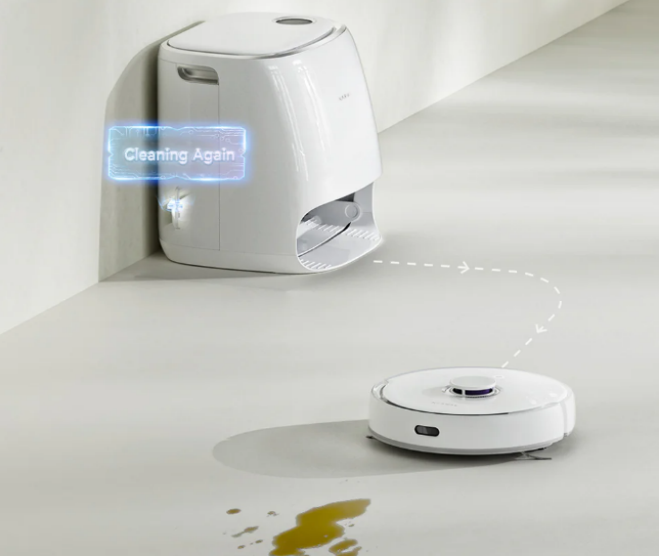
One of the most interesting developments is the emergence of robots in domestic settings. Cleaning robots, for instance, offer convenience and save time for individuals and families. Equipped with advanced navigation systems, these devices can efficiently maneuver around obstacles.
They maintain cleanliness with minimal human intervention. The convenience of using a robot mop highlights how automation can simplify household chores.
Healthcare Innovations
In addition to cleaning, robots have found a crucial role in healthcare. They assist in surgeries and support patients during rehabilitation. For example, some robots guide patients through exercise routines, ensuring safety and accuracy.
This technology enhances recovery processes and improves outcomes. Additionally, robots can take on repetitive tasks, allowing medical staff to focus on more critical responsibilities.
Transforming Retail
The retail industry is also seeing significant advancements through robotic integration. Automated systems manage inventory, assist customers, and streamline checkout processes. This reduces wait times and enhances customer satisfaction.
Retailers are increasingly adopting robots to create seamless shopping experiences, demonstrating their potential to improve service delivery.
Enhancements in Hospitality
In the hospitality sector, robots are making a notable impact. They can handle tasks like checking in guests and delivering room service. This automation increases operational efficiency and allows human staff to focus on personalized service.
Guests often appreciate the convenience robots bring to their hotel experiences, showcasing the potential for innovation in this area.
Addressing Job Displacement Concerns
While the benefits of robots are clear—such as increased productivity and reduced costs—there are concerns about job displacement. As robots take over specific tasks, workers may feel threatened. It’s essential to address this challenge thoughtfully. Workers should be retrained for new roles that leverage their unique skills, ensuring a smooth transition.
Preparing the Workforce
Organizations must invest in training programs to help employees adapt. These programs can teach skills to manage robotic systems and emphasize human judgment and creativity. This collaboration between humans and robots can lead to a more efficient workforce, balancing technology and human skills.
The Future of Robotics
The future of robotics appears promising as applications continue to expand across sectors. Industries such as agriculture and logistics are still exploring robotic integration. This adaptability is key to the growing presence of robots in the workforce.
As technology evolves, so will the capabilities of robots. Businesses that embrace these changes can gain a competitive edge, enhancing efficiency while maintaining high service standards. The role of robots is not limited to task completion; they are becoming partners in boosting human productivity.
Conclusion
In conclusion, the expansion of robots from manufacturing to service sectors represents a significant trend in the workforce. As robotics technology advances, these machines will play an increasingly vital role in our lives. Integrating robots into various industries can enhance productivity and efficiency.
Whether it’s through a robot mop at home or advanced systems in healthcare, the future looks bright for robotics. Embracing this change will prepare us for a new era of collaboration between humans and machines.
